Wondering whether Beacon or Fishkill fits the way you actually want to live every day? If you are comparing communities in Dutchess County, the choice often comes down to rhythm, convenience, and the kind of home base that feels right for your routine. Understanding how these two places differ can help you move forward with more confidence. Let’s dive in.
Beacon and Fishkill at a glance
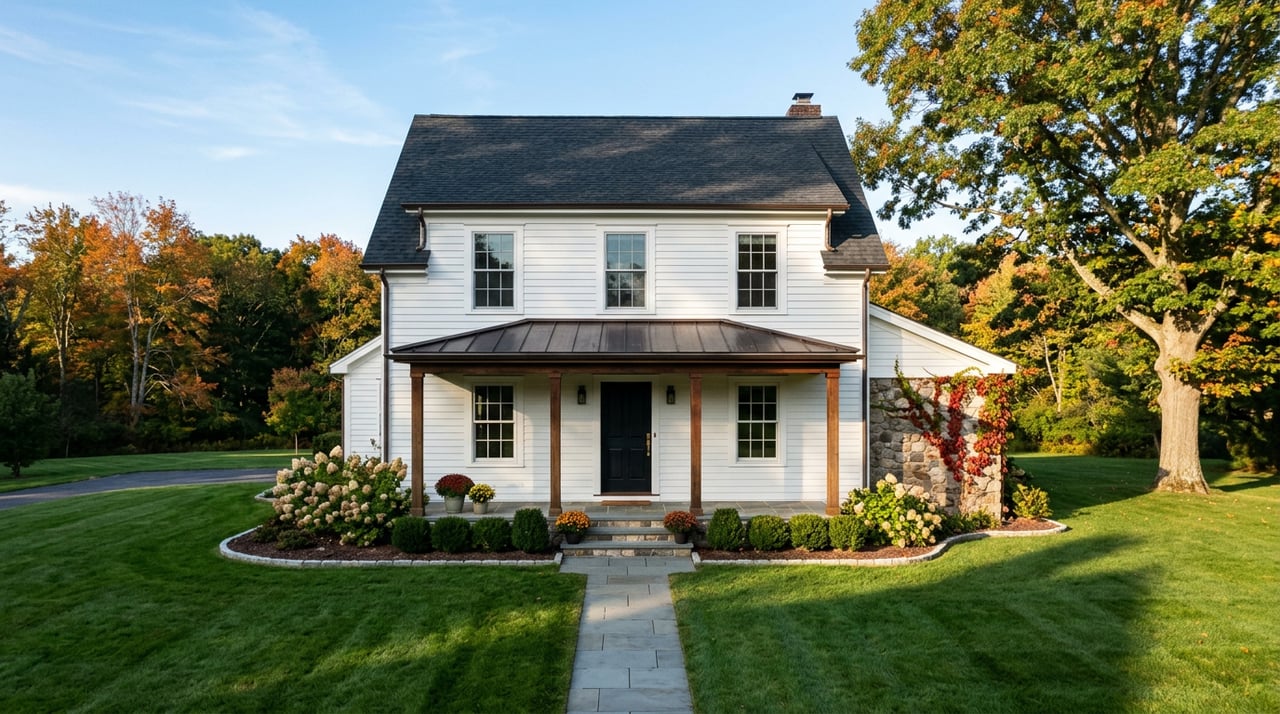
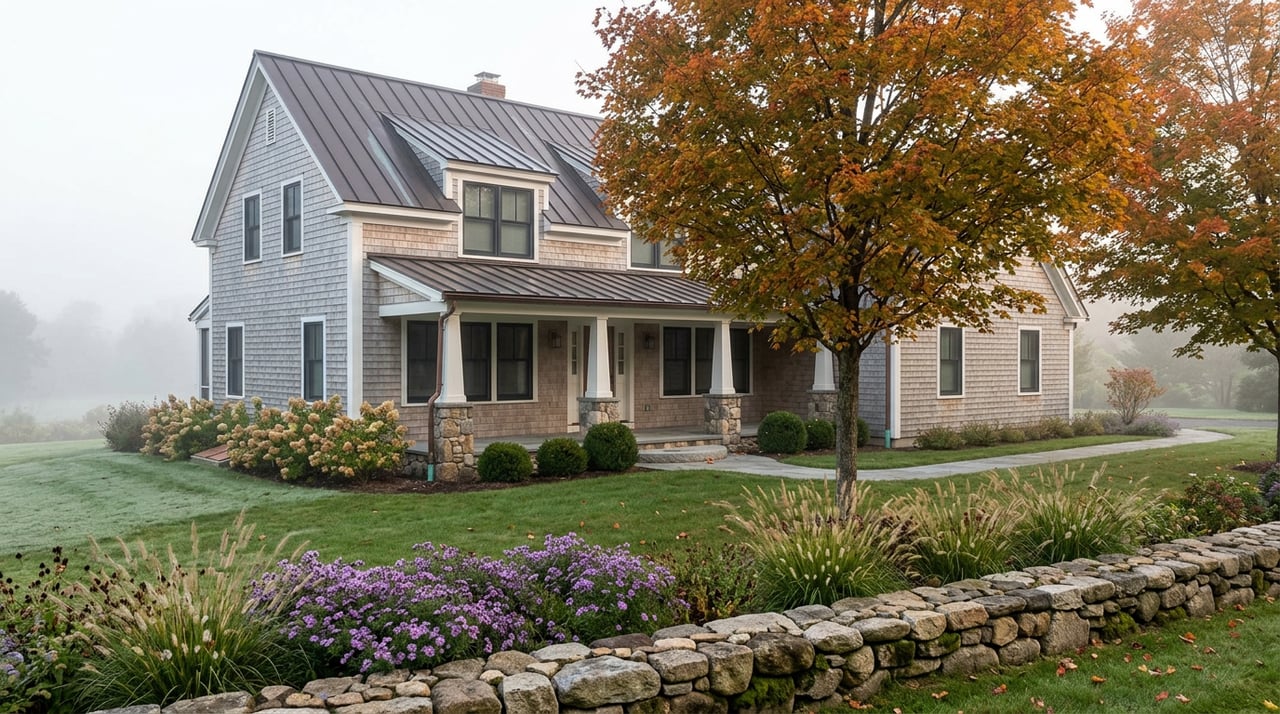
Beacon and Fishkill are close to each other, but they feel different in daily life. Beacon is denser and more urban in character, with a strong downtown, mixed-use development, and easy access to the Hudson River. Fishkill feels more village- and suburban-oriented, with a historic core, broader road access, and a more car-friendly pattern.
That difference shows up in the numbers too. Census data in the research report shows Beacon with 15,292 residents and about 2,905.5 people per square mile, while Fishkill town has 22,947 residents and about 886.3 people per square mile. In simple terms, Beacon tends to feel more compact, while Fishkill offers more breathing room.
Housing styles and neighborhood feel
Beacon offers a more mixed-use setting
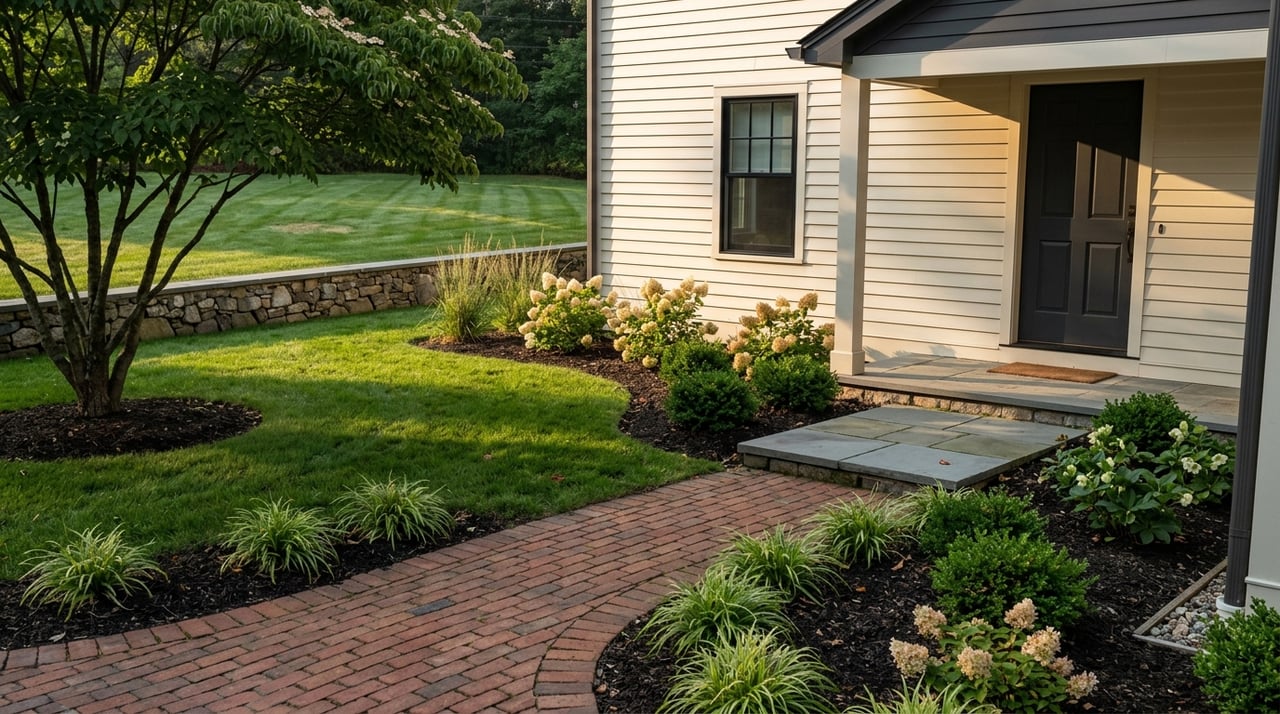
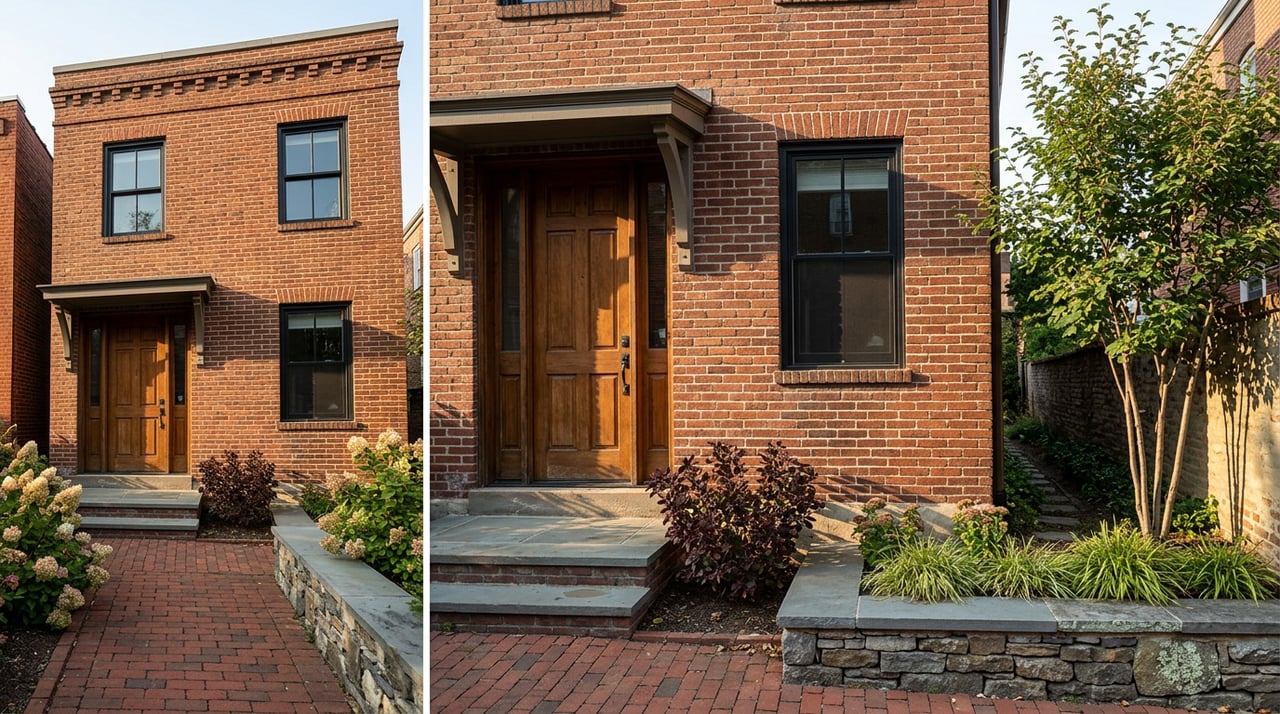
Beacon’s planning documents describe a housing mix that includes single-family, two-family, multi-family, and senior housing in designated residential districts. The city also allows multi-family density in mixed-use buildings in the central business district. That supports the city’s more urban feel and gives buyers a wider range of home styles near downtown activity.
Beacon also encourages higher-density housing near the central business district and the waterfront and train station area. Planning documents point to mixed-income, mixed-use development and workforce housing as part of the city’s long-term vision. If you like the idea of living closer to shops, restaurants, the train, and community activity, Beacon may feel like a natural fit.
Fishkill blends village housing and suburban patterns
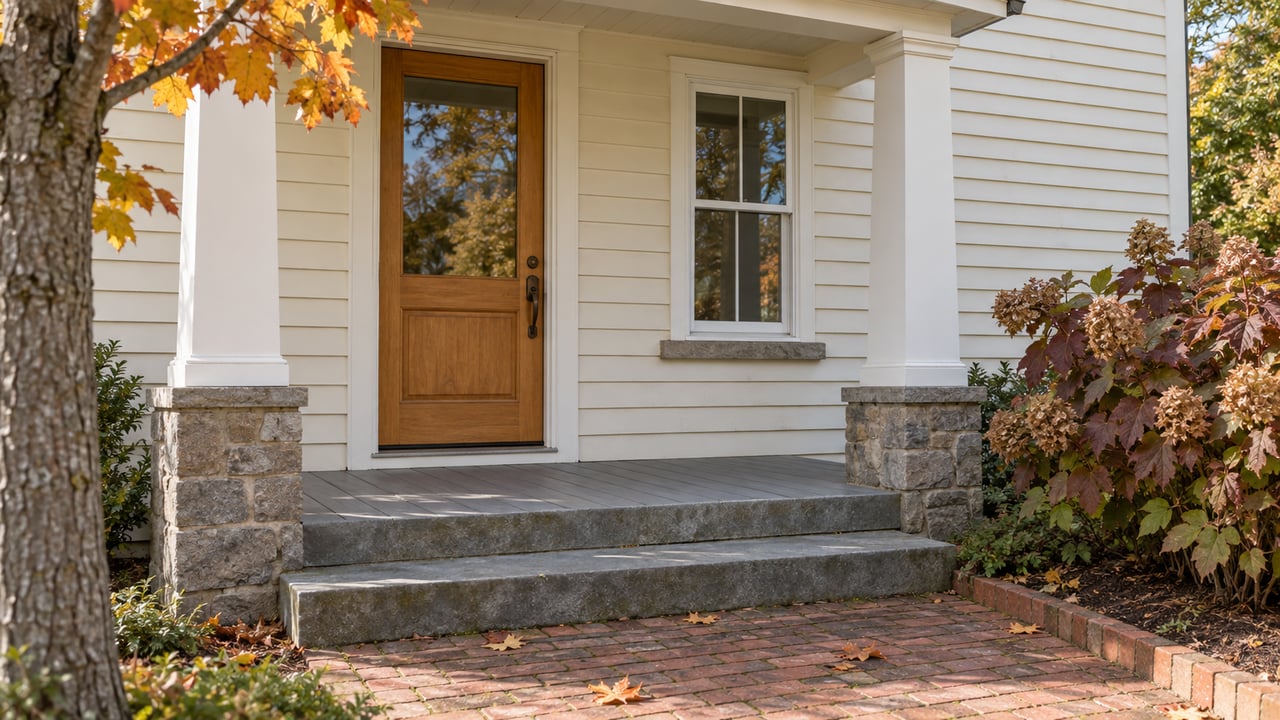
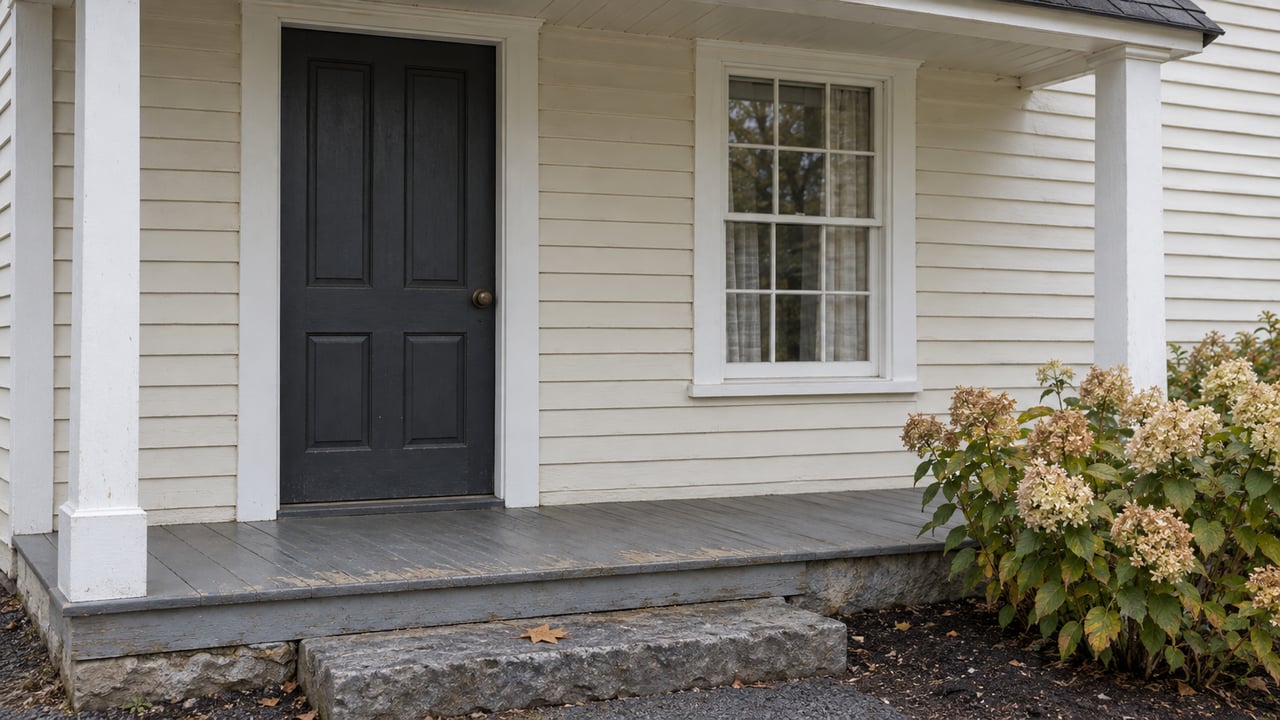
Fishkill’s village plan describes a traditional mix of housing types. That includes single-family attached and detached homes, two-family homes, multi-family housing, accessory housing, and apartments above storefronts. The result is a place where you can find some variety, especially around the village center.
The same plan notes that the village has very few vacant parcels left. That means future housing growth is more likely to come through redevelopment than large new subdivisions. For buyers, that can mean a more established setting with existing character rather than large-scale new-build expansion in the village core.
Pricing context matters
The research report notes that Census QuickFacts show Fishkill’s median value of owner-occupied housing is lower than Beacon’s. While every listing is unique, that suggests Beacon is generally the pricier ownership market of the two. If budget is part of your decision, this is an important point to weigh alongside lifestyle preferences.
Walkability and downtown life
Beacon is the stronger walkable option
If walkability is high on your list, Beacon stands out. The city’s Main Street access report says Beacon adopted Complete Streets guidelines and prioritizes pedestrians on Main Street. The same report notes that traffic, crowded sidewalks, and parking pressure are byproducts of the area’s success, which tells you just how central downtown life is here.
Beacon’s daily rhythm is closely tied to Main Street and the waterfront. The research highlights public transportation, the farmers’ market, BeaconArts, the Howland Cultural Center, and destinations like Mount Beacon and Long Dock. For many buyers, that means a lifestyle where errands, coffee, events, and outdoor time can feel more connected.
Fishkill has a walkable core, but less overall
Fishkill’s village plan presents the historic core as a small mixed-use area where apartments above stores help support on-foot errands and keep the area active beyond business hours. That gives the village center a convenient, traditional feel. If you enjoy a classic village setting, this can be appealing.
At the same time, the town’s comprehensive-plan survey comments ask for more sidewalks and a safer, more walkable Main Street. That suggests the pedestrian experience is more limited than in Beacon. In practical terms, Fishkill offers walkability in parts of the village, but not the same consistently walkable pattern across everyday life.
Commuting and transportation options
Beacon is better suited to train-centered routines
Beacon has the clearest rail commute story. The MTA lists Beacon station on the Hudson Line with accessible station amenities, ticket machines, Dutchess County Public Transit connections, the Newburgh-Beacon Ferry, and a Leprechaun Lines shuttle to Newburgh and Stewart Airport. If your weekly routine depends on Metro-North, Beacon has a clear advantage.
This matters for more than commuting. Train access can shape how often you drive, how you plan weekends, and how connected you feel to the wider region. For buyers who want daily life built around rail access, Beacon is often the stronger match.
Fishkill is broader and more road-oriented
Fishkill’s transportation story is more regional and road-based. The town points residents to roads, river access, rail connections, Dutchess County Public Transit, Metro-North Railroad, and Stewart International Airport. That makes Fishkill practical for people who drive regularly or want flexible regional access.
Dutchess County Public Transit also supports local movement. The research report notes bus service between Poughkeepsie and Fishkill and between Poughkeepsie and Beacon, and that Route F runs from Beacon to Hopewell Junction with Fishkill destinations along the way, including Walmart in Fishkill. So while Fishkill is not as train-centered as Beacon, it still offers useful transit connections.
Parks, trails, and free time
Beacon pairs recreation with culture
Beacon’s public spaces are a major part of its identity. The city maintains parks such as Settlement Camp, Memorial Park, River Front Park, Green Street Park, and South Avenue Park, with features like fields, playgrounds, picnic pavilions, walking paths, and a public pool. That creates a strong mix of everyday recreation options close to home.
The city’s visitor materials also highlight Beacon Farmers’ Market, River Pool at Beacon, Mount Beacon Park, Long Dock Park, the Beacon Historical Society, BeaconArts, and the Howland Cultural Center. Dia Beacon is another major cultural anchor, located in a former Nabisco box-printing factory on the Hudson. If you want both outdoor access and a visible arts presence, Beacon has a lot to offer.
Fishkill leans into parks and regional trail access
Fishkill offers a different kind of outdoor lifestyle. The town maintains six neighborhood parks, including Maurer Geering Park, Shepheard Memorial Park, Doug Phillips Park, Jean Van Pelt Park, Dutchess Lake Park, and Camp Foster, along with a recreation center and recurring community programming. That supports a practical, neighborhood-based version of everyday outdoor life.
Fishkill also benefits from access to major regional recreation. The town points residents to the Hudson River, Breakneck Ridge, Sugarloaf Mountain, and Mt. Beacon for hiking and boating. The research report also notes nearby Fishkill Ridge and the Hudson Highlands State Park Preserve, which includes more than 8,000 acres and over 70 miles of trail. If your ideal weekend includes hiking, biking, and trail access, Fishkill gives you strong options.
Which lifestyle may fit you best?
For many buyers, this is less about which place is better and more about which place feels right. Beacon is often the better fit if you want a more urban, pedestrian-oriented routine with strong Main Street energy, mixed-use housing, river access, and a train-centered lifestyle. It tends to suit buyers who want activity, culture, and convenience close together.
Fishkill may be the better fit if you want a more suburban and village-centered setting with broader road access, varied housing choices, and strong access to parks and trails. It can feel especially appealing if you want a little more separation between home and downtown activity or if driving is a regular part of your day.
If you are relocating, moving up, downsizing, or buying your first home in Dutchess County, this kind of lifestyle comparison can save you time and stress. The right move is not just about square footage or price. It is about how comfortably your home and community support the life you want to live.
If you are thinking about a move in Dutchess County and want help comparing Beacon, Fishkill, and nearby communities in a practical, personal way, Isabel R. Alves is here to guide you with local insight and a calm, informed approach.
FAQs
What is the main lifestyle difference between Beacon and Fishkill?
- Beacon feels more urban, walkable, and train-connected, while Fishkill feels more suburban, village-centered, and car-friendly.
Is Beacon or Fishkill more walkable for daily errands?
- Beacon is the more fully walkable option overall, while Fishkill has a walkable village core but a more limited pedestrian experience beyond that area.
Is Beacon or Fishkill better for Metro-North commuters?
- Beacon is generally the stronger fit for buyers who want daily life centered around Metro-North, thanks to Beacon station on the Hudson Line and related transit connections.
Does Fishkill offer good access to parks and trails?
- Yes. Fishkill has neighborhood parks, a recreation center, and access to hiking and outdoor destinations such as Fishkill Ridge and the Hudson Highlands State Park Preserve.
Is Beacon usually more expensive than Fishkill for homebuyers?
- The research report notes that Fishkill’s median owner-occupied home value is lower than Beacon’s, which suggests Beacon is generally the pricier ownership market.
Should you choose Beacon or Fishkill when relocating to Dutchess County?
- If you want a busier, more walkable, arts-forward setting, Beacon may be a better match. If you want a quieter village-and-town feel with easier road access and strong outdoor options, Fishkill may be the better fit.