Are you trying to stay connected to New York City without feeling like every day begins and ends in the rush? For many buyers, northern Westchester offers a different rhythm: more space, more greenery, and a home base that feels calmer while still keeping commuter access in the picture. If you are weighing lifestyle, housing, and the realities of getting in and out of the city, this guide will help you understand what makes the area stand out. Let’s dive in.
Why Northern Westchester Stands Out
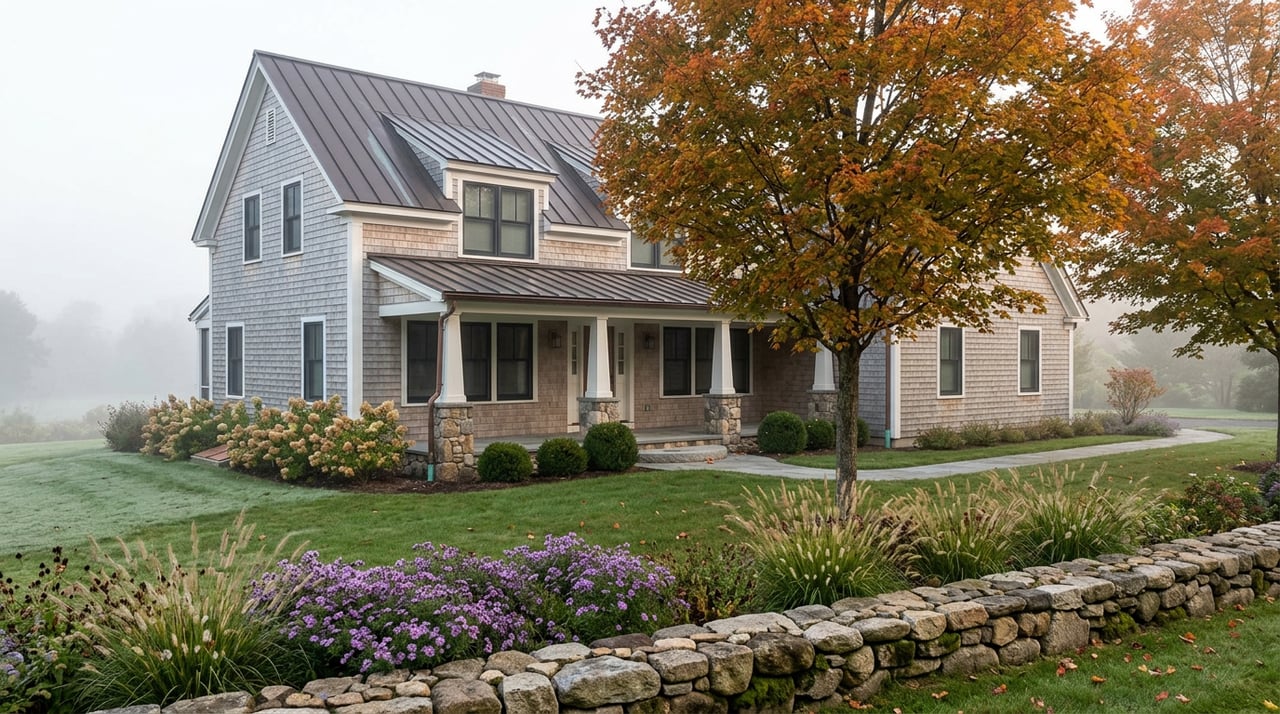
Northern Westchester appeals to many NYC-area commuters because it offers a suburban-rural blend. New York State describes Westchester as a large suburban county with rolling terrain that still holds onto much of its rural character. That balance helps explain why the area feels more spacious and less uniform than many closer-in commuter markets.
The region includes communities such as Bedford, Cortlandt, Mount Kisco, Mount Pleasant, New Castle, North Castle, North Salem, Ossining, Pound Ridge, Somers, and Yorktown. Each has its own feel, but together they reflect a broader lifestyle pattern: established villages, open space, and residential areas shaped by both history and transportation. If you want a calmer setting without fully disconnecting from the metro area, northern Westchester often enters the conversation for good reason.
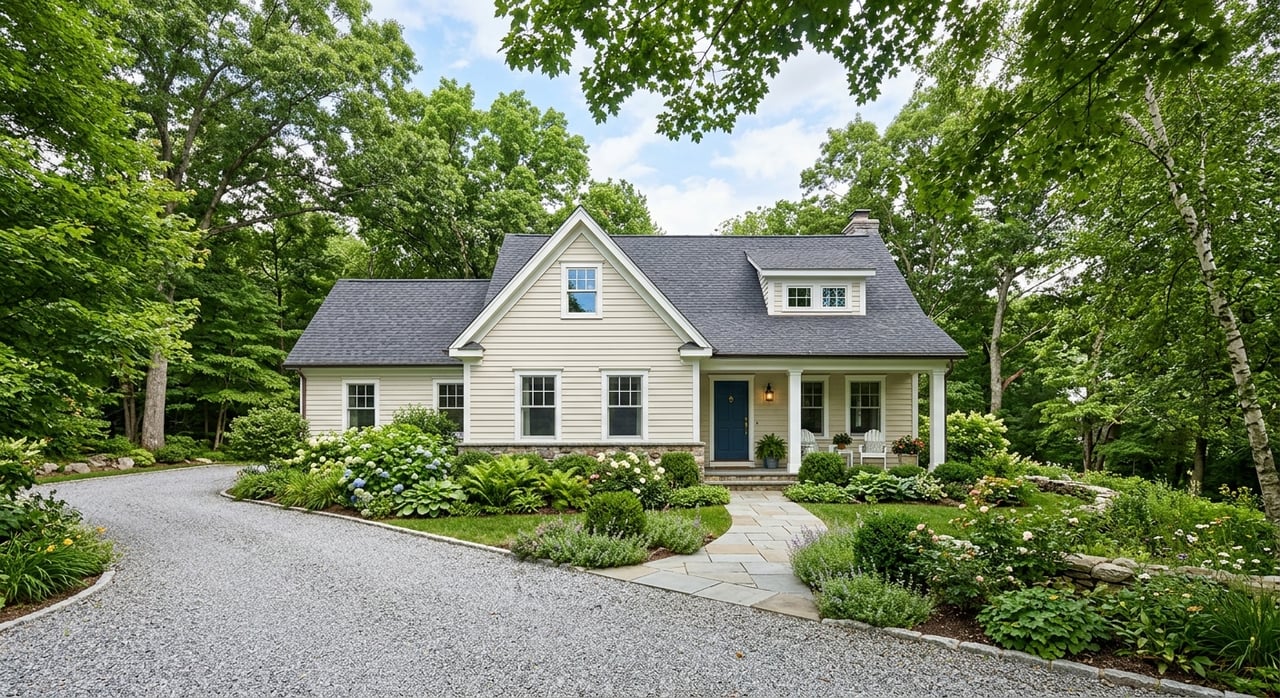
Another part of the appeal is character. County planning materials note that older housing stock remains significant across Westchester, which helps create a landscape of older hamlets, village centers, and larger-lot neighborhoods instead of one repeating development style. For buyers, that usually means more variety and a stronger sense that place matters from one community to the next.
What Daily Life Can Feel Like
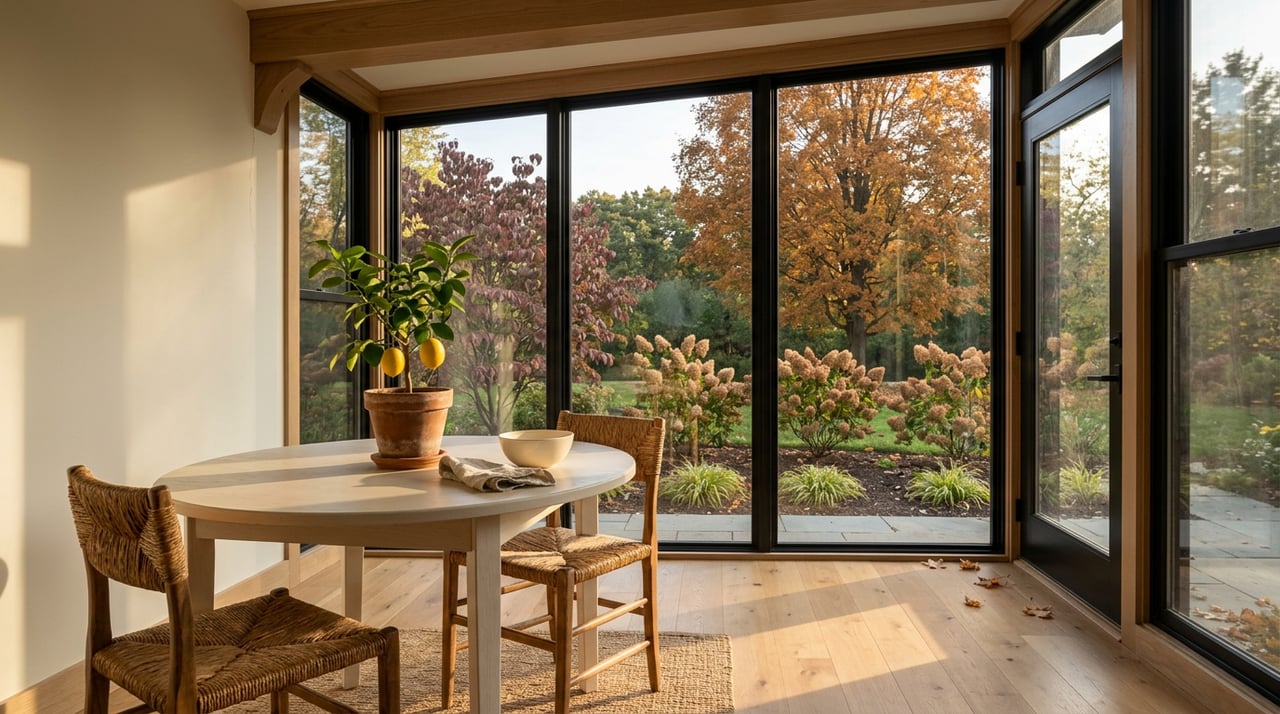
For many commuters, the draw is not just the trip into the city. It is what your life feels like when you come home. Northern Westchester often appeals to buyers who are willing to accept that they may not get the absolute shortest commute in exchange for more room, more privacy, and a more relaxed pace.
That tradeoff can look different depending on your priorities. You may want to be closer to a station and enjoy a more village-centered routine, or you may prefer a home on a larger lot where daily life feels quieter and more removed from traffic. In either case, the area works best when you think about commuting, home space, and weekend life as one decision rather than three separate ones.
Housing in Northern Westchester
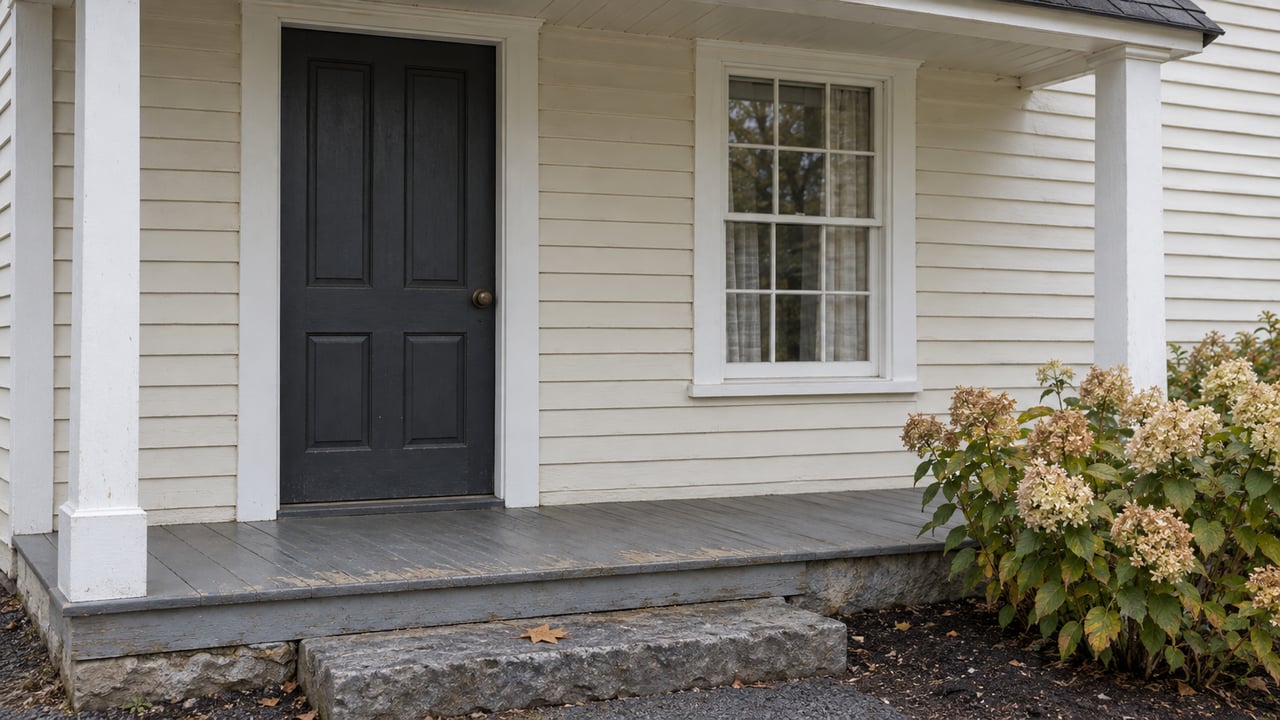
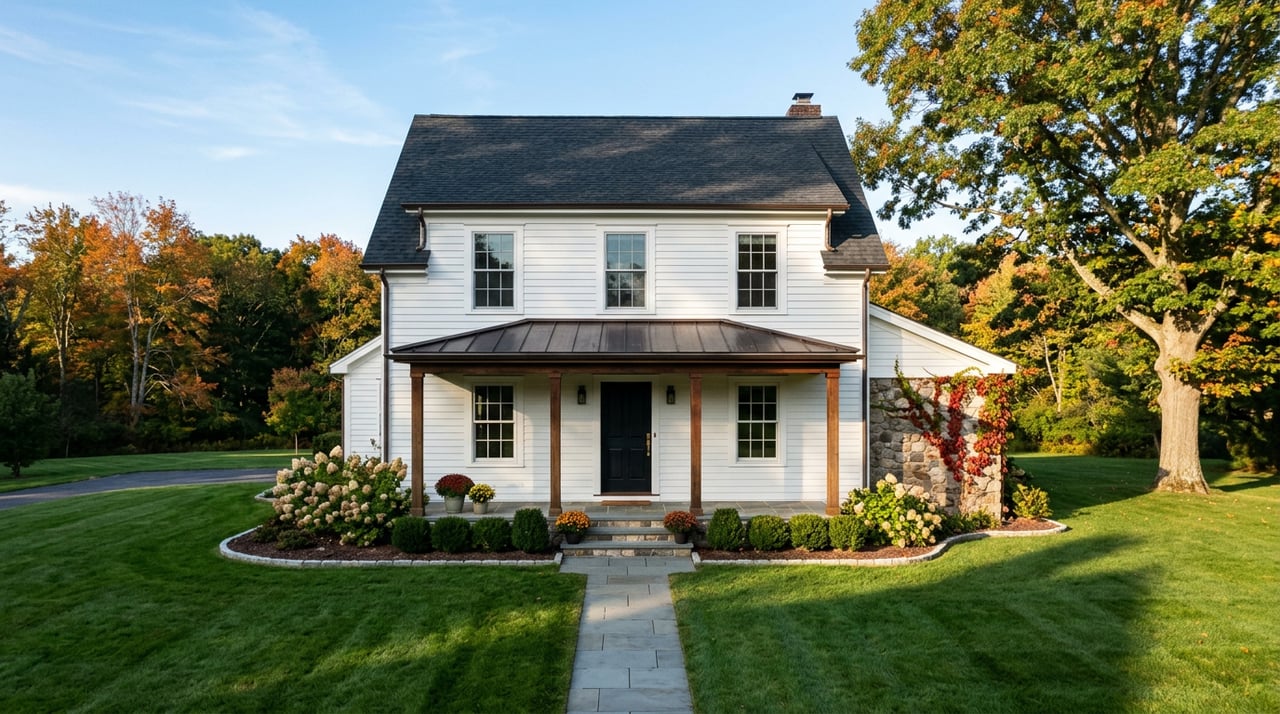
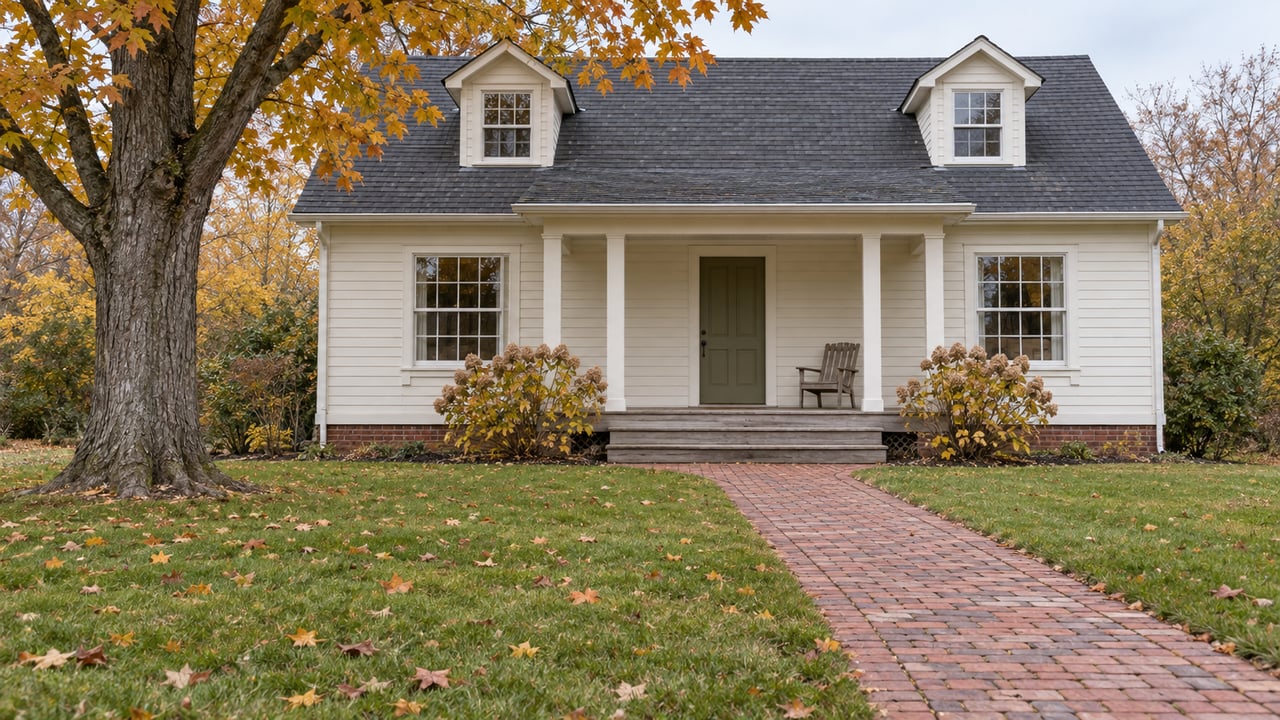
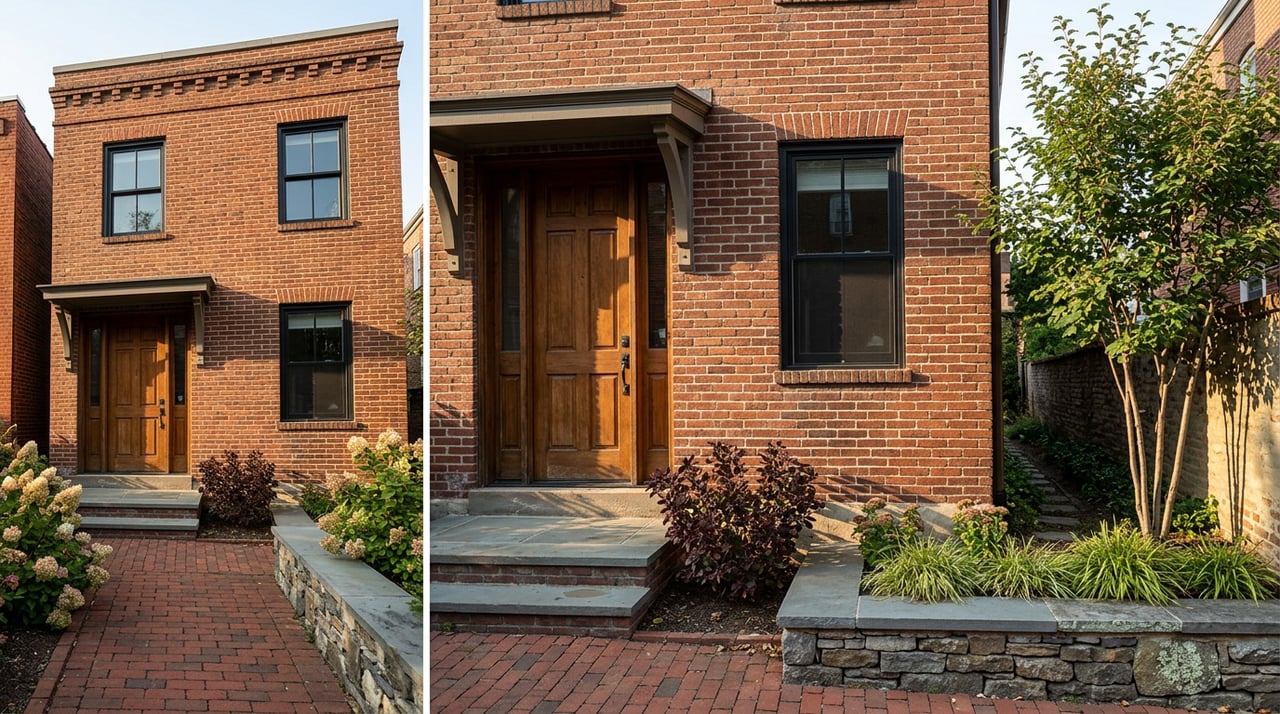
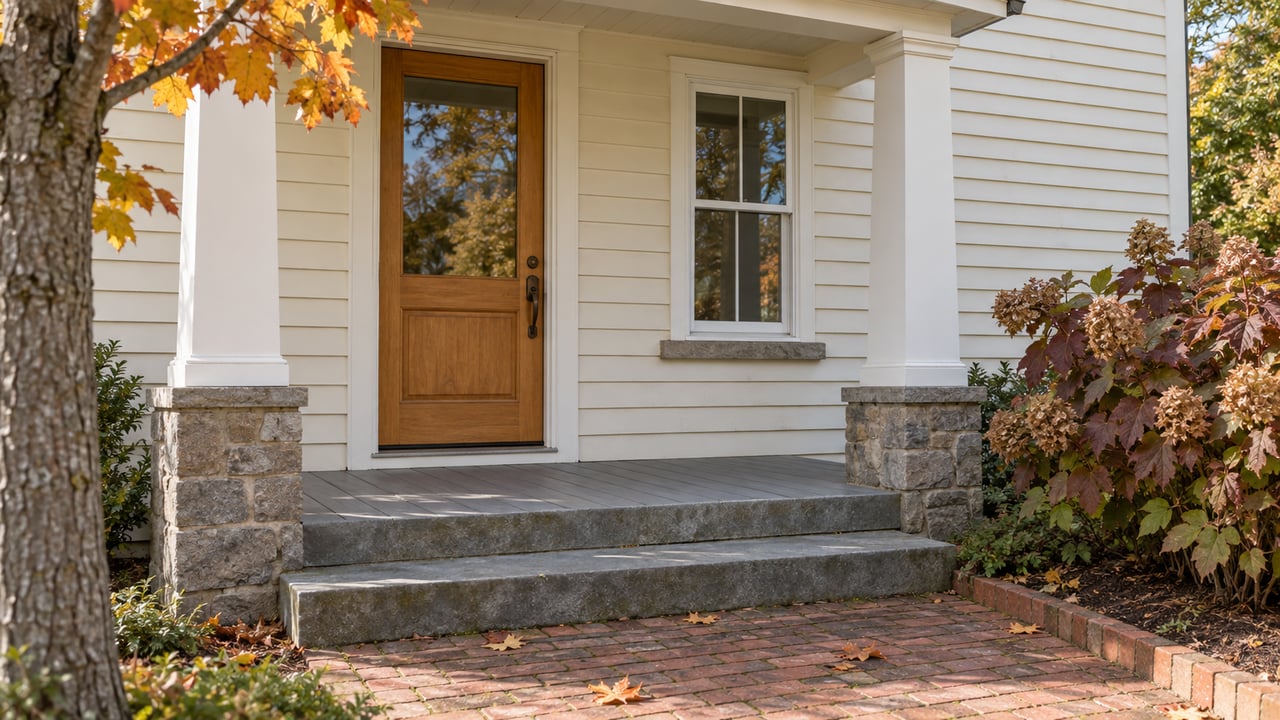
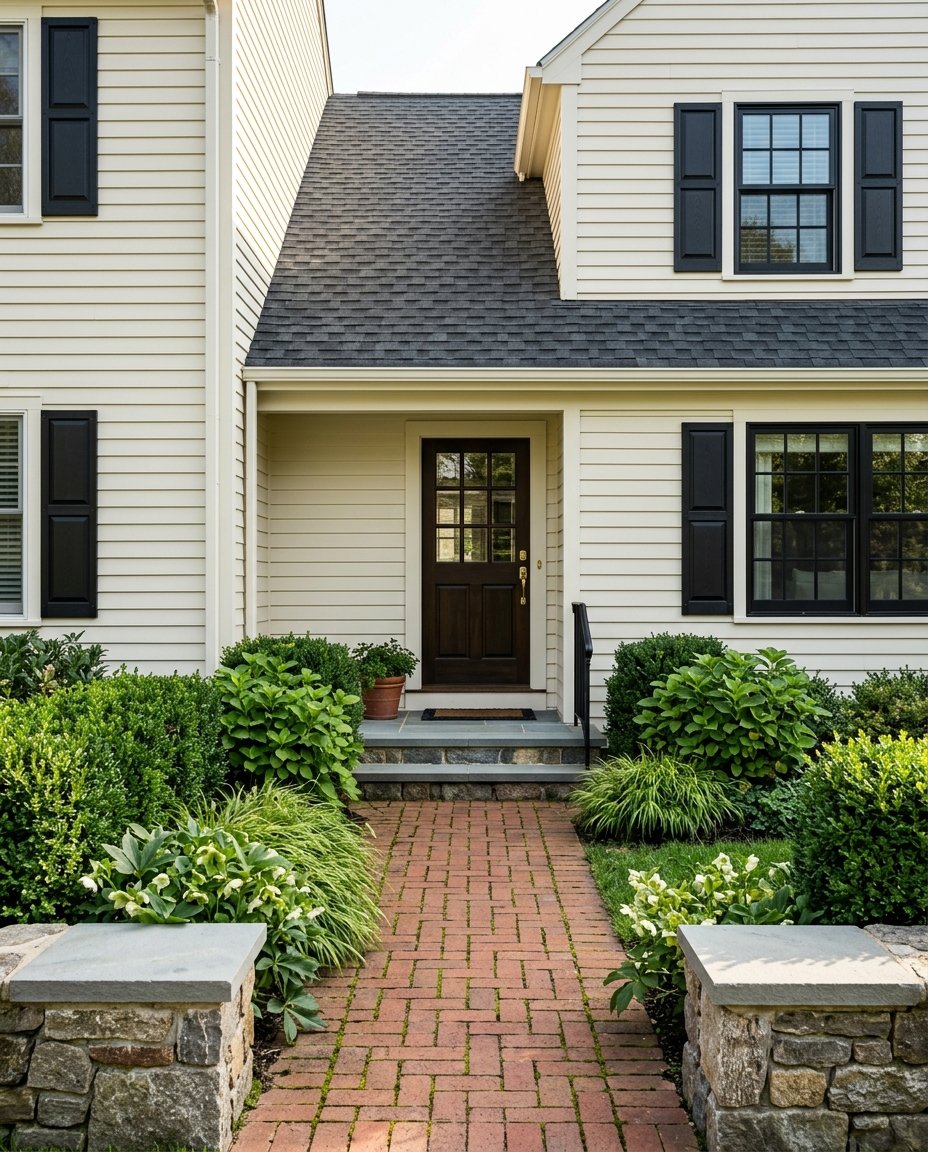
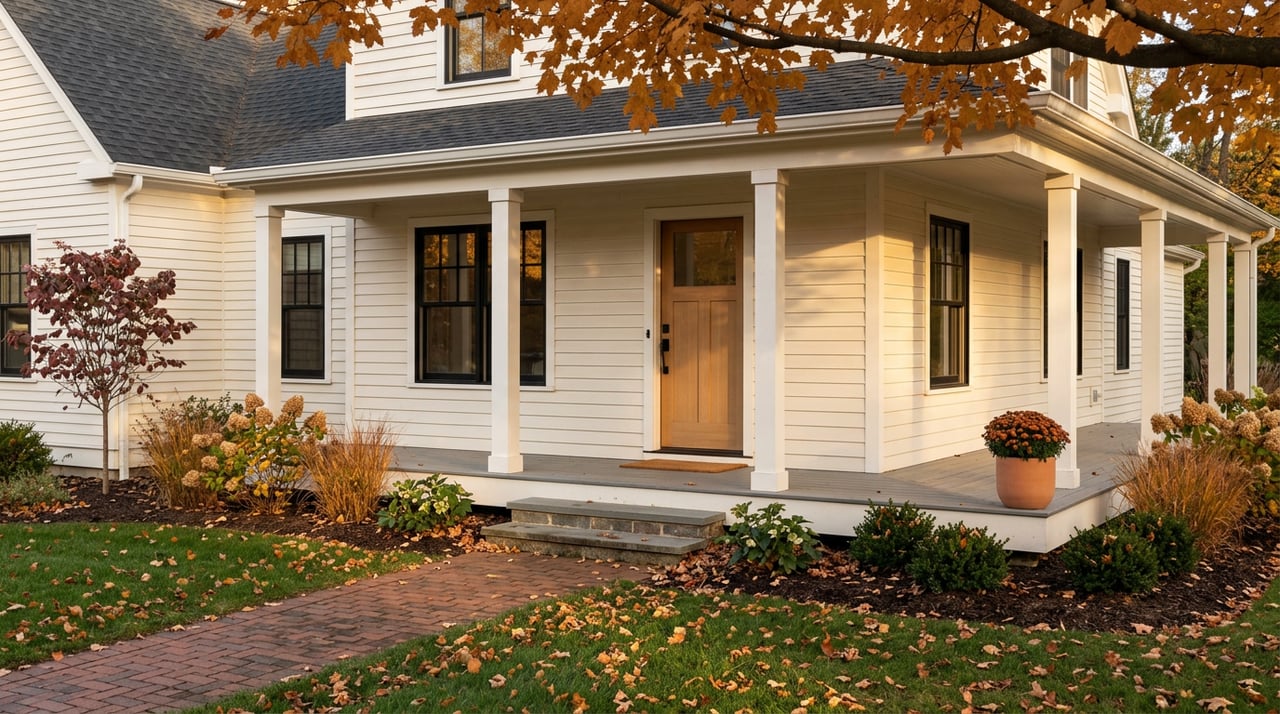
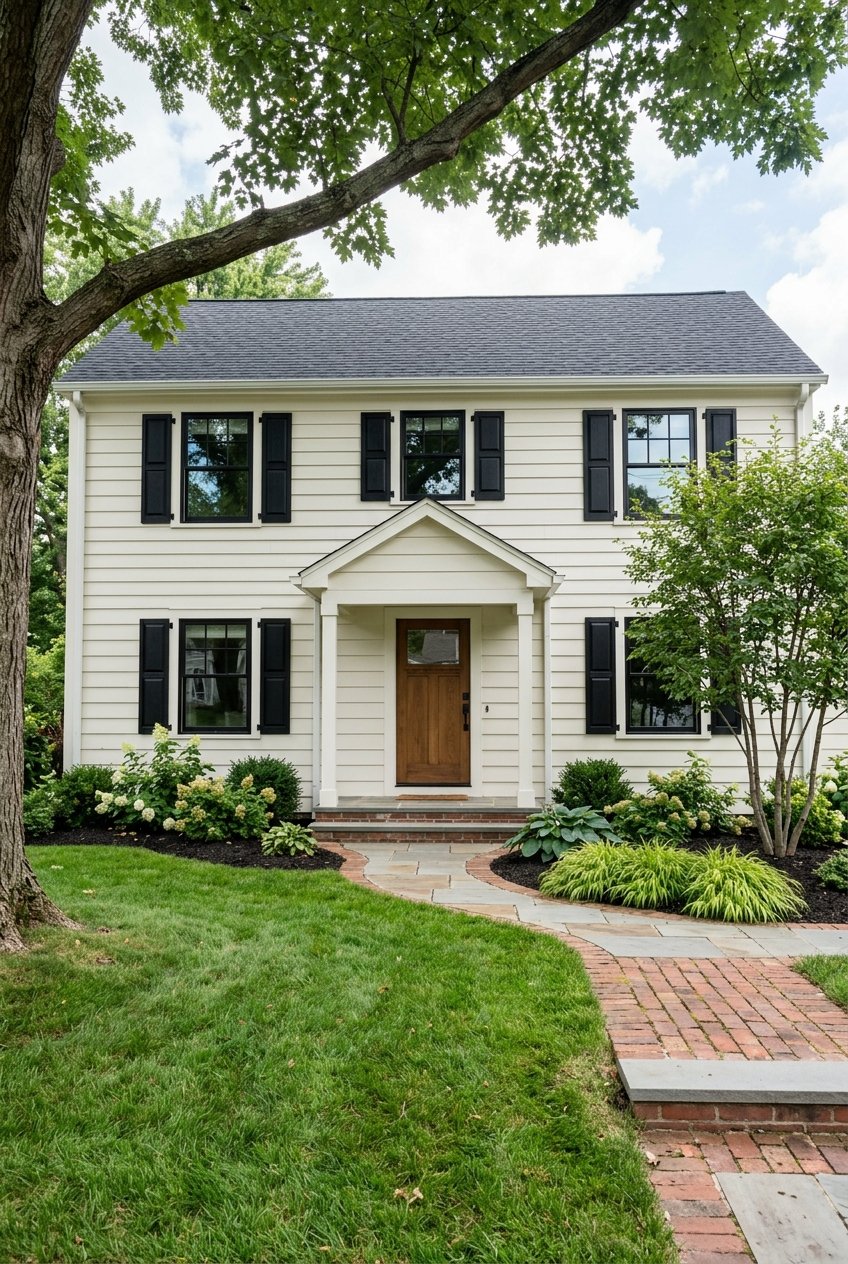
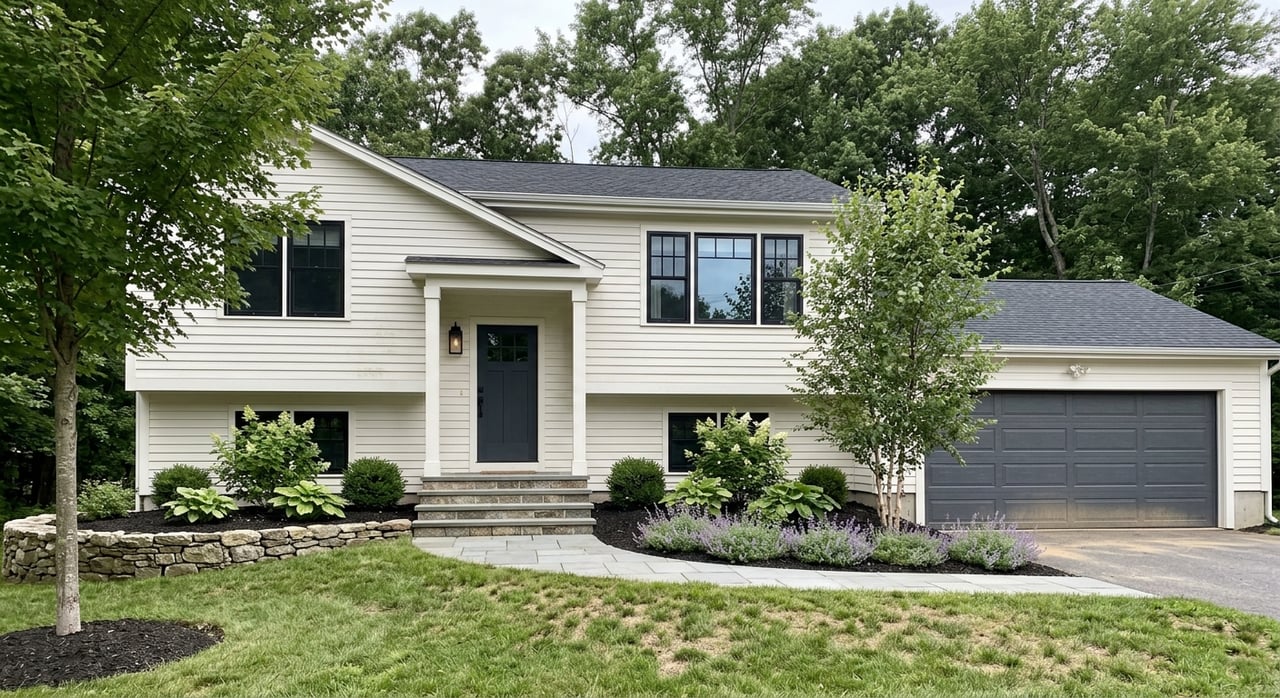
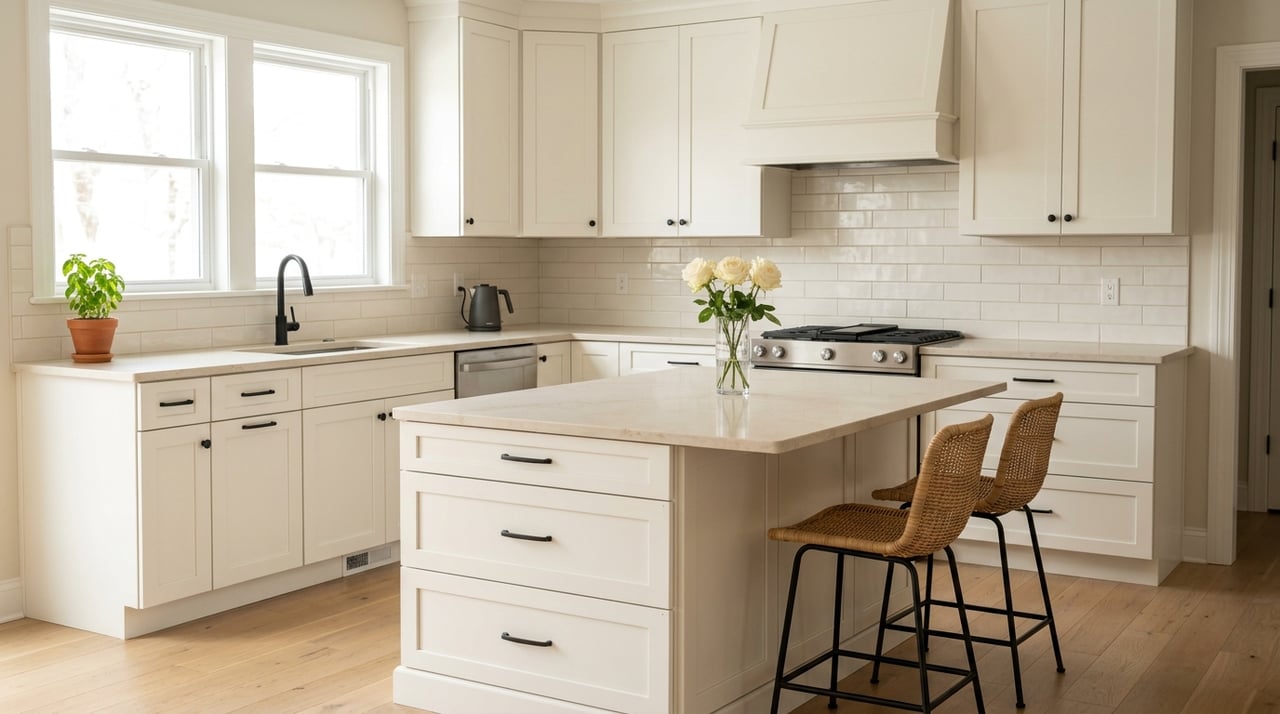
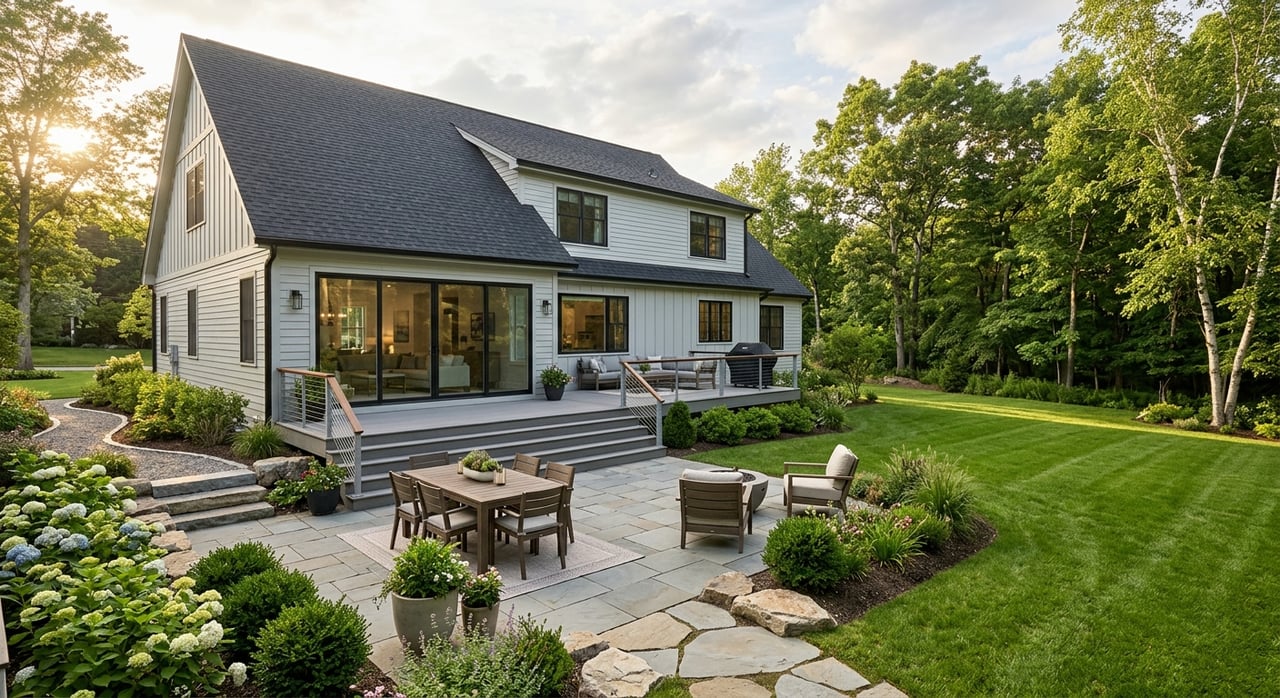
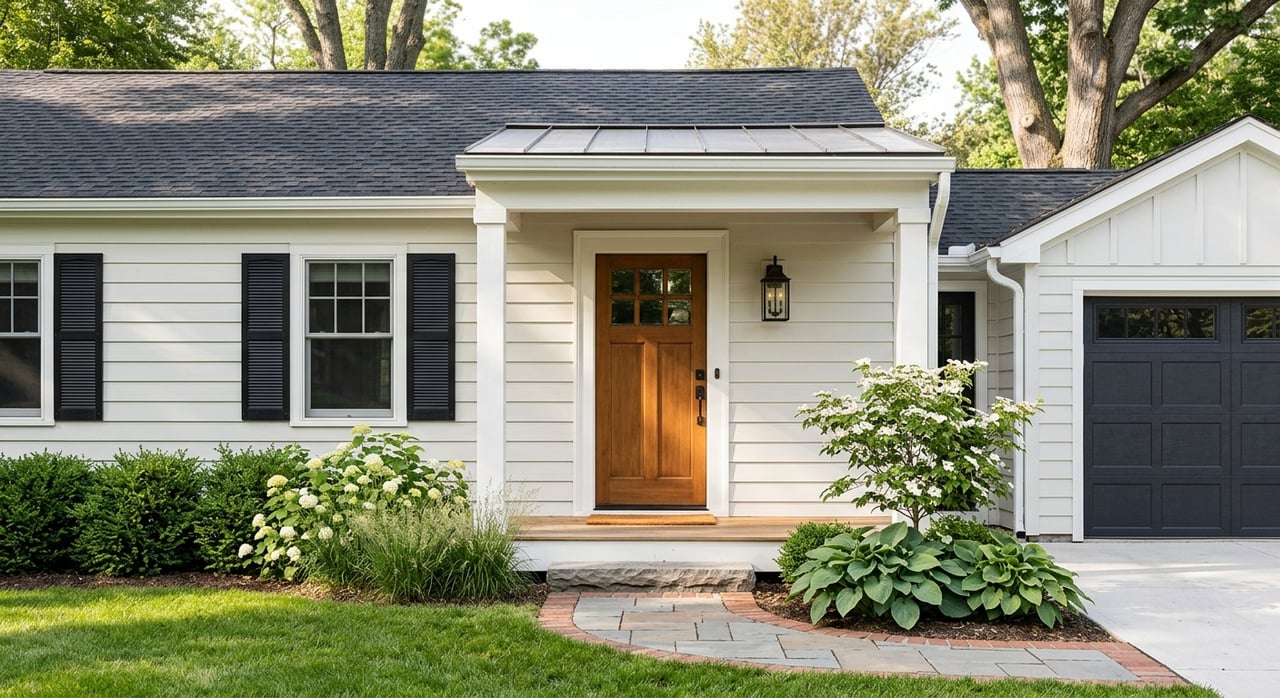
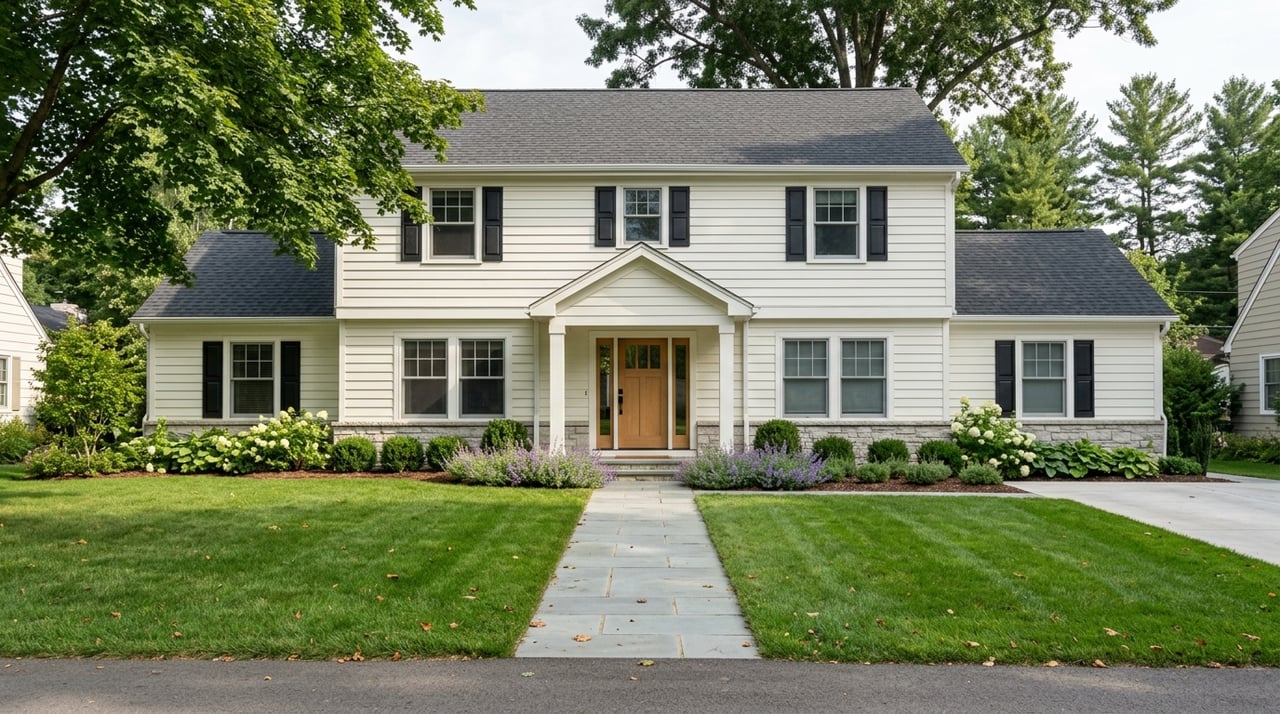
One of the most important things to know is that northern Westchester is not one housing type. Planning materials from local municipalities show a wide range of homes, including Craftsman houses, bungalows, center-hall and side-hall Colonials, Cape Cods, ranches, raised ranches, split-levels, contemporaries, colonial replications, and much larger newer homes. That mix is part of what gives the area its layered, lived-in feel.
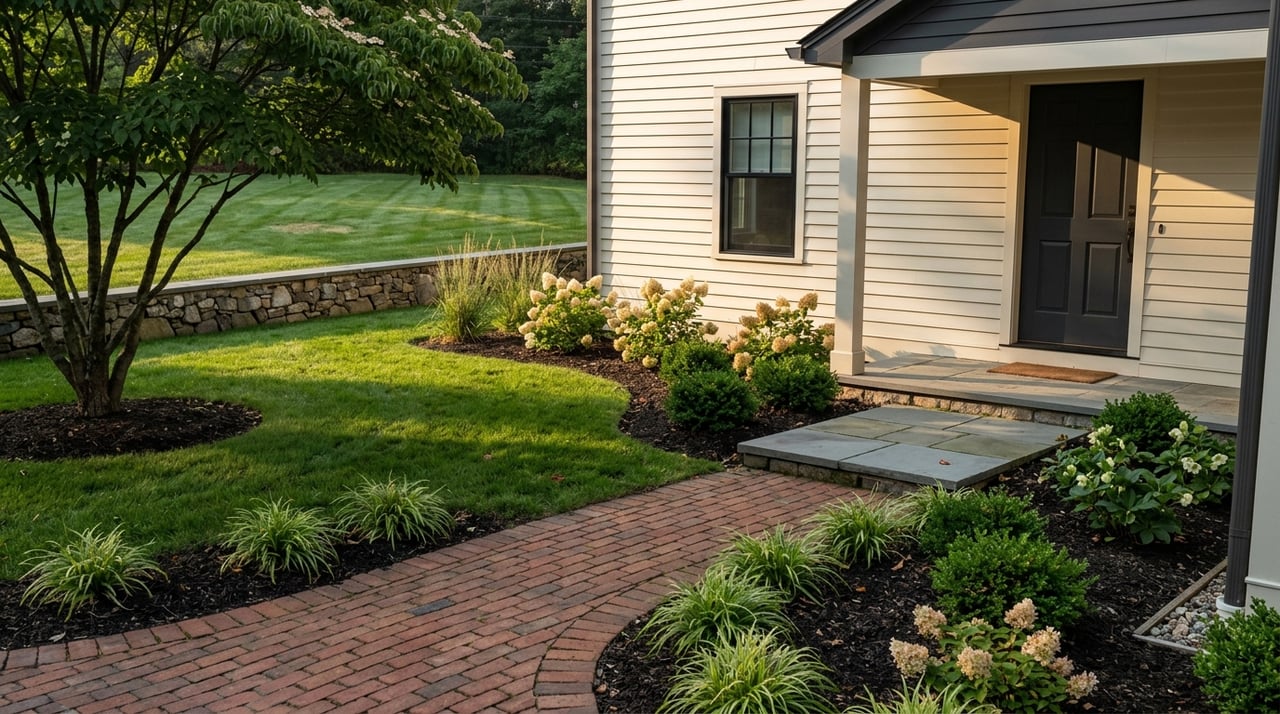
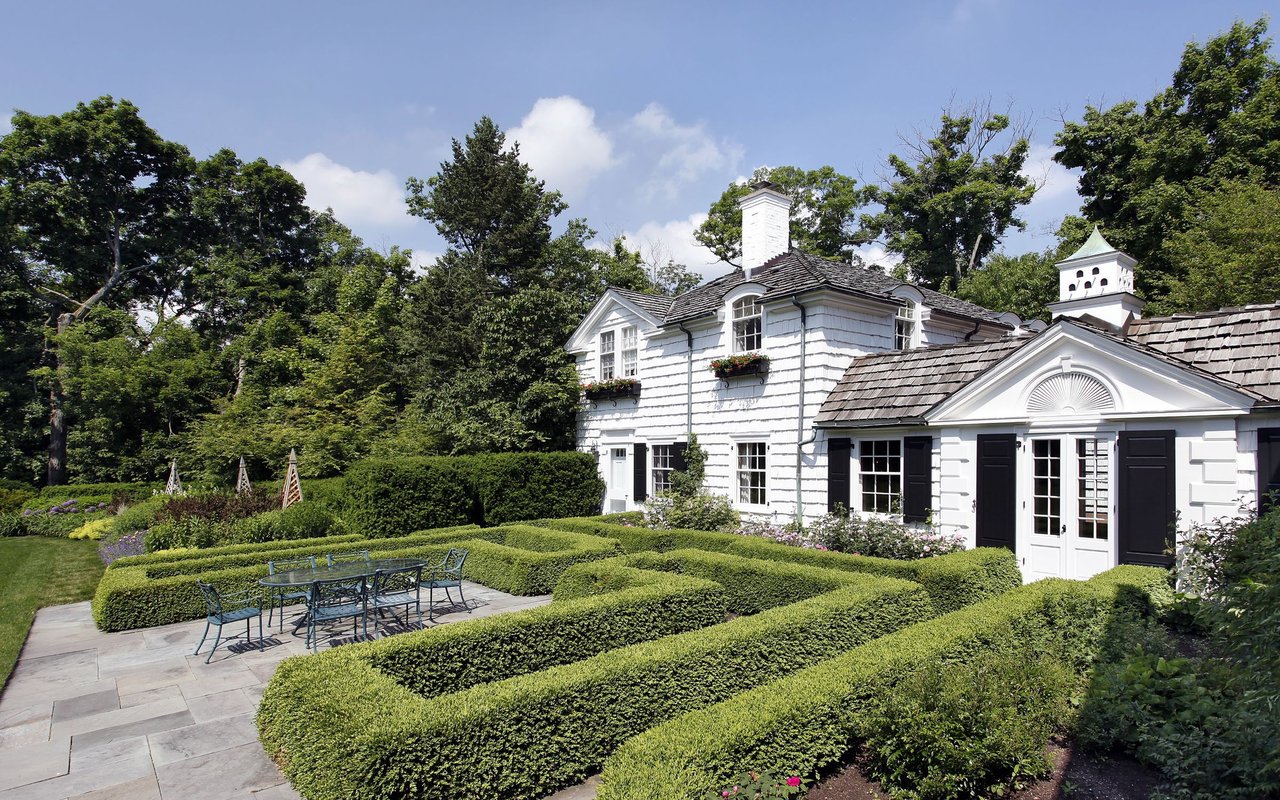
In places like Somers, local planning documents describe largely single-family residential patterns with large-lot subdivisions, farming land, large residential estates, and later townhouse or cluster-lot development. That supports a practical takeaway for buyers: your options can shift a lot depending on where you search. A home near an older hamlet may offer a different setting and lot size than one deeper into a more rural part of the county.
A simple way to picture the housing stock is this:
- Older village homes
- Prewar to midcentury suburban houses
- Larger-lot single-family neighborhoods
- Estate-era properties
- Newer construction on larger parcels
- Pockets of denser housing near older centers and transit areas
If you are relocating from the city or another dense suburb, this variety can be a real advantage. It gives you more ways to match your budget, space needs, and preferred commute style without forcing you into one narrow idea of suburban living.
Rail Options for Commuters
Rail access is a major reason northern Westchester works for NYC-area commuters. On the Metro-North Harlem Line, northern Westchester stations include Mount Kisco, Bedford Hills, Katonah, Goldens Bridge, Purdy’s, Croton Falls, and Southeast. These stations are especially relevant if you want a more direct train-based routine.
Along the river corridor, the Hudson Line includes important commuter stops such as Croton-Harmon and Ossining. For some buyers, that opens another way to think about location, especially if they are drawn to river communities or want to compare line options. Your ideal spot may depend less on municipal boundaries and more on which station pattern fits your daily schedule.
Station features can matter too. Metro-North identifies Mount Kisco and Goldens Bridge as accessible stations, and Mount Kisco also has Bee-Line bus connections. If your routine may involve a rail-plus-bus option, those details can become part of the home search conversation.
Major Roads and Driving Routes
Not every commuter relies on rail every day, and northern Westchester is also shaped by its road network. I-684 and the Saw Mill River Parkway are major commuter routes in northern and central Westchester. The Taconic State Parkway also plays an important role as a long north-south corridor that begins at Kensico Dam Plaza in Westchester County and runs north through the Hudson Valley.
For buyers, the practical takeaway is straightforward. Homes near rail-served hamlets often offer the simplest path to Manhattan access, while homes farther from stations may give you larger lots and a more rural feel. Neither choice is automatically better. It depends on how you balance drive time, train access, privacy, and the kind of setting you want day to day.
Village Feel or More Land?
This is often the key question for buyers exploring northern Westchester. Some people want a rail-town feel near places like Mount Kisco or Katonah, where station access can shape the daily routine. Others prefer settings in places such as Somers, Pound Ridge, North Salem, or North Castle, where larger lots and a more open landscape may be part of the appeal.
If you are deciding between those lifestyles, think in terms of your real week. How many days do you commute? How much do you value walkability to a station or village center? How important are outdoor space, privacy, and a quieter setting once the workday ends?
A clear answer on those questions can narrow your search much faster than focusing on square footage alone. In northern Westchester, lifestyle fit is often what separates a home that looks good on paper from one that actually supports the way you want to live.
Weekend Life Beyond the Commute
A big part of northern Westchester’s appeal shows up after Friday afternoon. Westchester County says its park system includes more than 18,000 acres and more than 50 facilities. That network includes trailways, nature centers, golf courses, pools and beaches, a working farm, historic sites, and an arboretum.
For many buyers, that means outdoor time can become part of regular life instead of an occasional outing. The North-South County Trailway stretches 34.6 miles and supports walking, jogging, biking, and general recreation. The Old Croton Aqueduct State Historic Park runs 26.2 miles from the Bronx border to the Croton Dam and supports walking, running, biking, birding, snowshoeing, and cross-country skiing.
There are also destination-style outdoor spaces that shape the region’s lifestyle. Rockefeller State Park Preserve offers 1,775 acres and about 45 miles of carriage roads through forests, fields, wetlands, and around a lake. Ward Pound Ridge Reservation is identified by Westchester County as its largest county park, while Muscoot Farm offers an early-1900s interpretive farm experience with year-round programs, farmyard visits, hayrides, and educational activities.
If your ideal move includes scenic drives, trail walks, foliage, picnic spots, or easy access to open space, northern Westchester has a strong lifestyle case to make. It is not about replacing the city. It is about creating more room around your workweek.
What Relocating Buyers Should Keep in Mind
If you are moving from another borough, county, or state, northern Westchester can feel refreshingly different, but also harder to read at first glance. Because the housing stock, lot sizes, and commuter options vary so much, two homes with similar price points can offer very different daily experiences. That is why local context matters.
It helps to compare areas based on the routine you want, not just the map. Start with your commute tolerance, then layer in the housing style you prefer, the amount of land you want, and how you hope to spend weekends. Once those pieces are clear, the area becomes much easier to navigate.
This is also where a guided search can make a real difference. A thoughtful relocation strategy can help you sort through tradeoffs with less stress and more confidence, especially if you are trying to balance timing, logistics, and unfamiliar communities all at once.
The Big Picture on Northern Westchester
Northern Westchester makes the strongest impression when you see it for what it is: a place that offers a calmer home base for NYC-area commuters, not necessarily the fastest possible trip. Its appeal comes from the combination of space, established character, varied housing, commuter rail and road access, and the kind of outdoor life that can make weekends feel fuller. For many buyers, that balance is exactly the point.
If you are exploring a move in the Hudson Valley or weighing how northern Westchester fits into your bigger relocation plans, working with an experienced local guide can help you move forward with clarity. When you are ready for thoughtful, personalized support, connect with Isabel R. Alves.
FAQs
What is northern Westchester like for NYC-area commuters?
- Northern Westchester offers a suburban-rural blend with commuter rail stations, major road corridors, varied housing, open space, and a calmer pace than denser areas closer to New York City.
Which Metro-North lines serve northern Westchester commuters?
- The Harlem Line serves stations including Mount Kisco, Bedford Hills, Katonah, Goldens Bridge, Purdy’s, Croton Falls, and Southeast, while the Hudson Line includes important commuter stops such as Croton-Harmon and Ossining.
What types of homes can you find in northern Westchester?
- Buyers can find a mix of older village homes, prewar to midcentury suburban houses, ranches, Colonials, split-levels, contemporaries, estate-era properties, and newer homes on larger lots.
Is northern Westchester better for train commuters or drivers?
- It can work for both, since the area includes Metro-North access as well as major road routes like I-684, the Saw Mill River Parkway, and the Taconic State Parkway.
What outdoor amenities are available in northern Westchester?
- The area benefits from Westchester County’s large park system, the North-South County Trailway, Old Croton Aqueduct State Historic Park, Rockefeller State Park Preserve, Ward Pound Ridge Reservation, and Muscoot Farm.
How should relocating buyers choose a northern Westchester community?
- A good starting point is to compare commute needs, preferred housing style, lot size, station access, and the kind of daily and weekend lifestyle you want most.