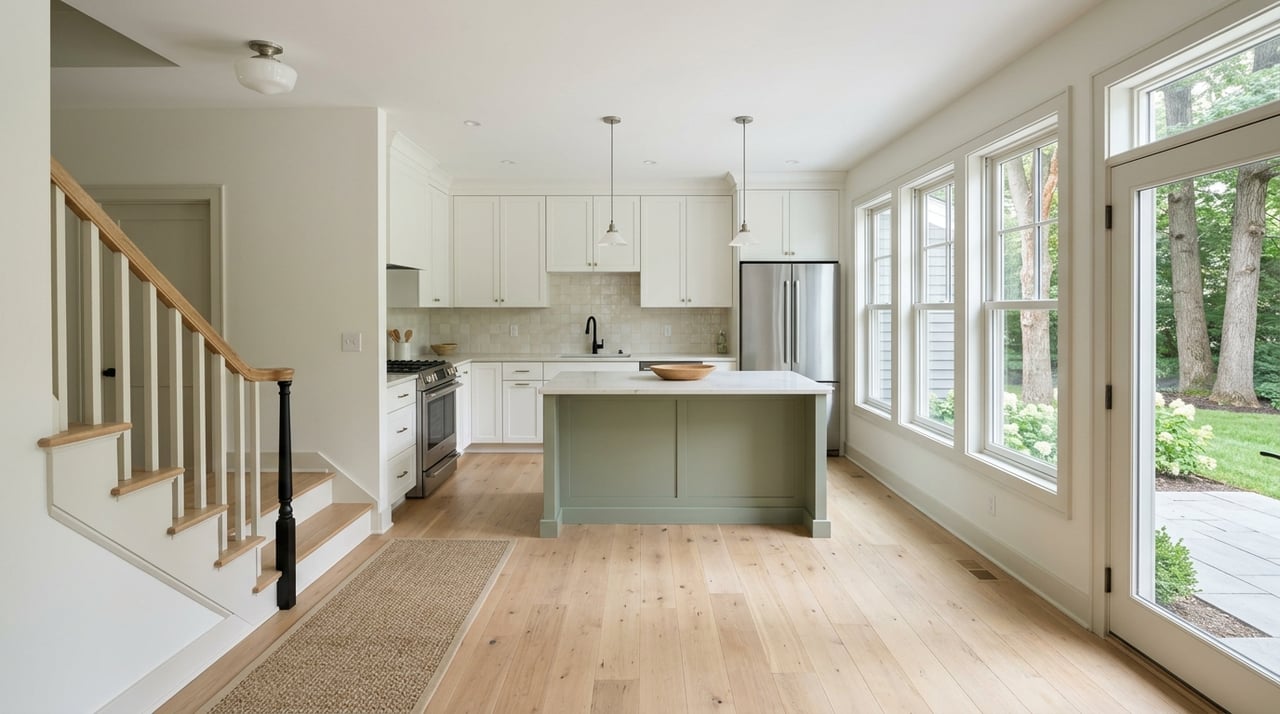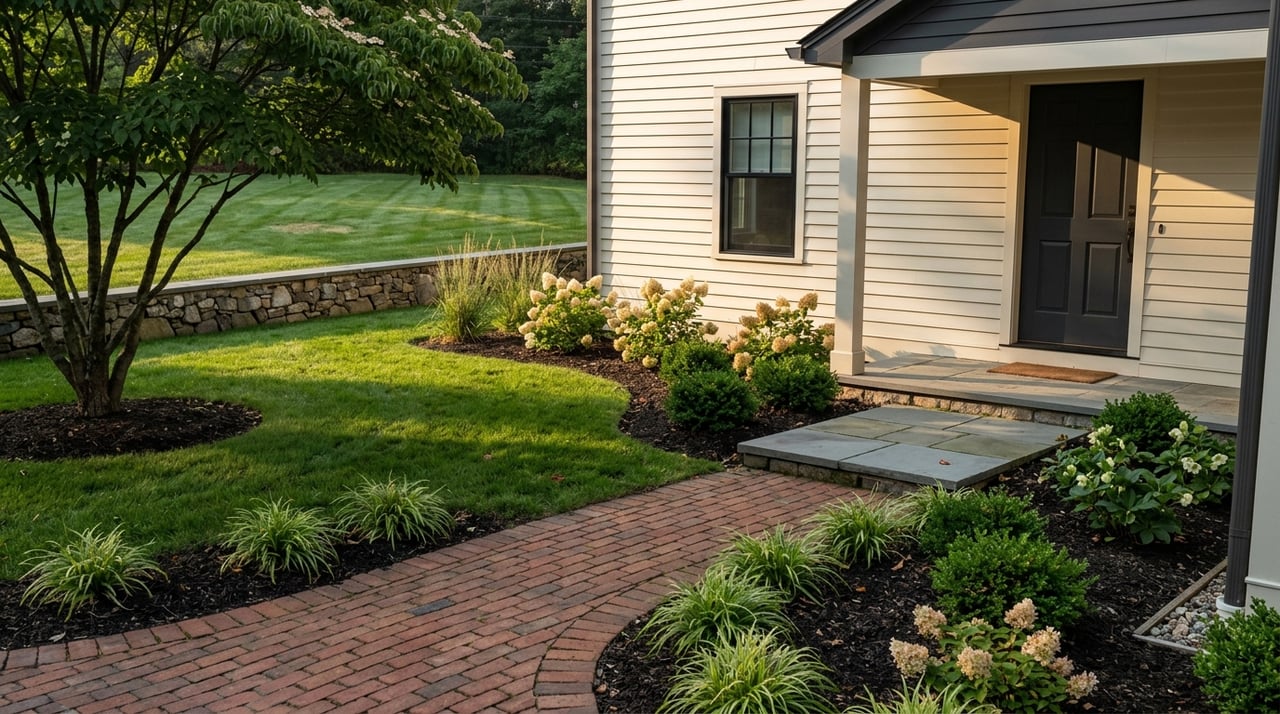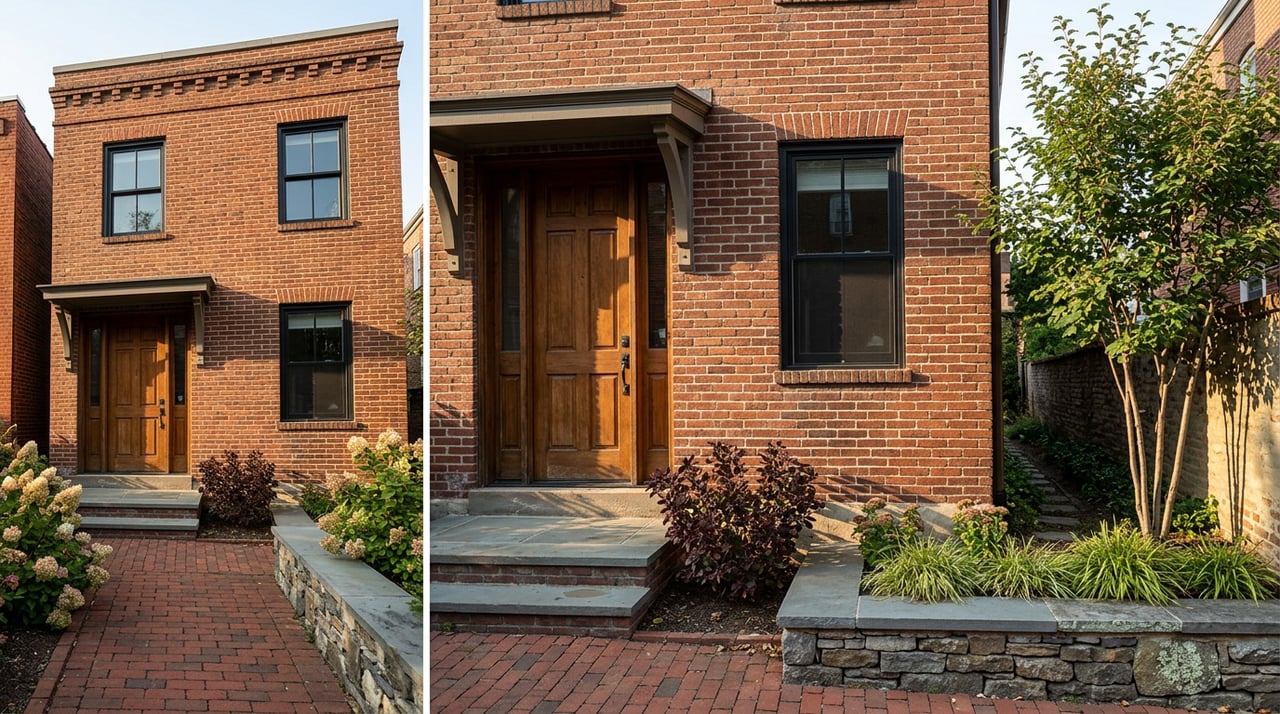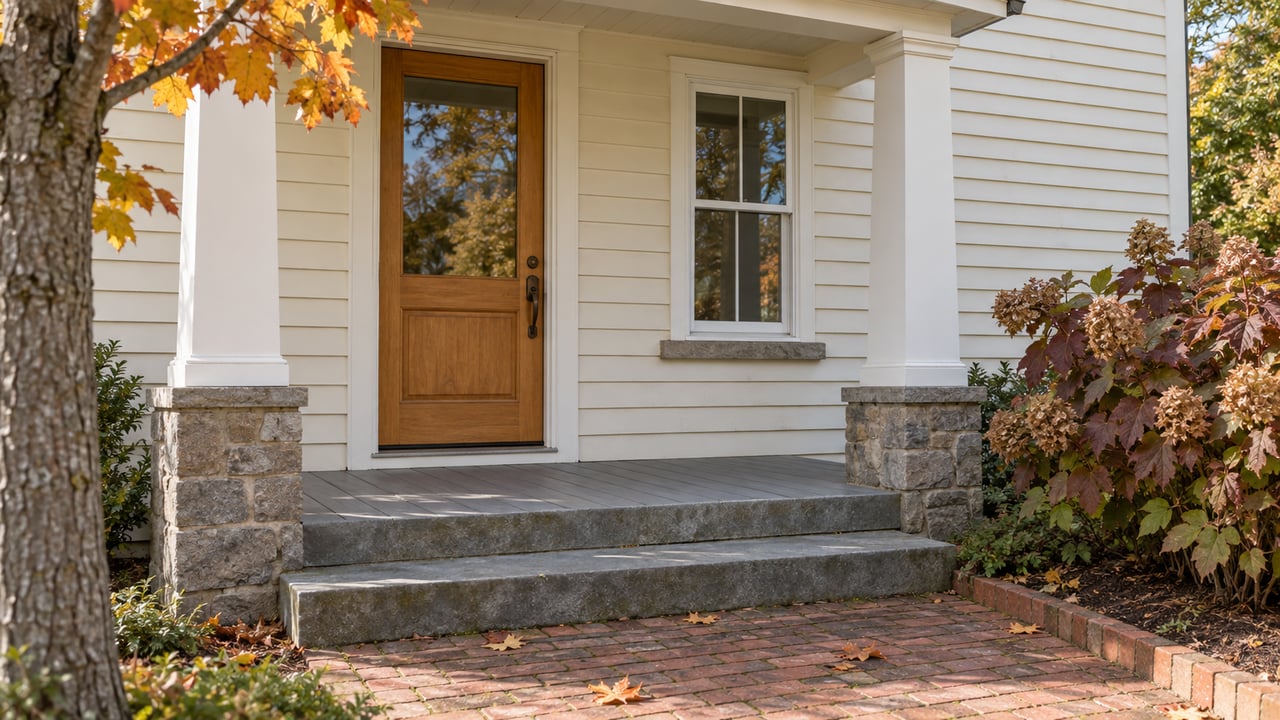
If you are trying to sell one home and buy another in Dutchess County, the biggest challenge usually is not just finding the right buyer or the right next house. It is getting the timing right so your financing, title work, contract deadlines, and move-out plans all line up. That can feel like a lot to manage, especially when you are already making a major life transition. The good news is that with the right plan, you can reduce surprises, protect your options, and move with more confidence. Let’s dive in.
Why timing matters in Dutchess County
In Dutchess County, real estate transactions often follow the upstate New York pattern where a broker prepares the initial offer or contract and the attorneys then review it within a short window. After that, the title work, mortgage process, and closing paperwork all need to stay in sync. When you are both selling and buying, even a small delay in one step can affect everything else.
That is why a coordinated move is less about picking two convenient closing dates and more about making sure every moving part agrees with the others. Your contract terms, financing timeline, title search, and possession date all need to support the same plan. When they do, the process feels much smoother.
Start with your target move date
A smart starting point is to work backward from the date you want to be in your next home. This helps you and your team map out the steps that need to happen before closing. It also gives you a clearer way to spot timing risks early.
In Dutchess County, that backward planning should include the attorney review period, inspection scheduling, title search, mortgage approval, and the lender’s required Closing Disclosure window. The lender must send the Closing Disclosure at least three business days before closing. If a major change happens late in the process, that review period can reset and push the date back.
Your main timing options
There is no one-size-fits-all strategy for a sale and purchase. The right path depends on your finances, your comfort level, and how much flexibility you have with housing.
Sell first
Selling first is often the lowest-overlap option. Many homeowners choose this route because it can make your finances simpler and reduce the risk of carrying two housing payments at once.
The tradeoff is that your purchase may not line up perfectly with your sale. If your current home closes before your next home is ready, you may need a temporary housing plan. That could mean staying with family, arranging a short-term rental, or negotiating extra time in your sale contract if that is available.
Buy first
Buying first can work if your financing plan supports it and your lender is comfortable with the repayment path. A bridge or swing loan with a term of 12 months or less is one structured way borrowers may buy a new home while planning to sell the current one within 12 months.
This option can ease the pressure of finding housing between closings, but it creates more financial overlap. You need to be prepared for the costs and the lender’s review of your full picture. For many buyers, this is where early conversations with a lender matter most.
Same-day closings
Some Dutchess County moves can be handled with back-to-back or same-day closings. In that setup, the proceeds from your sale help fund your purchase, often on the very same day.
This approach can work well, but it requires precise coordination. Your lender, attorneys, title professionals, and all parties involved need to align on payoff figures, recording, disbursement timing, and possession. If one side runs late, it can affect the whole day.
Home sale contingency
A home sale contingency gives you a set period to sell your current home before you are fully locked into the purchase. If your sale does not happen in time, the contract may be canceled and your earnest money may be returned.
This can lower your risk, but it may also make your offer less attractive in a competitive market. Sellers often continue marketing their home while that contingency is in place. If you are considering this route, it helps to understand both the protection it offers and the tradeoffs it creates.
Contract terms that can protect you
When you are juggling a sale and a purchase, your contract terms matter even more than usual. They help define what has to happen, when it has to happen, and what protections you have if something changes.
Common terms and contingencies may include:
- Financing contingency
- Inspection contingency
- Appraisal contingency
- Home sale contingency
- Negotiated move-out time after closing
These provisions can protect you, but they can also add complexity and extend the timeline. The goal is not to pile on every possible term. It is to choose the terms that fit your situation and support a realistic closing plan.
Do not skip disclosure and inspection steps
In New York, sellers of one- to four-family homes must provide a Property Condition Disclosure Statement before contract signing. A March 2024 amendment removed the old $500 credit alternative, so the disclosure requirement now carries more weight in the process.
Even with that disclosure, you should still plan for an inspection. New York home inspectors must be licensed, and they are required to provide a written report within five business days. For a coordinated move, that timing matters because inspection results can affect negotiations, repairs, and your contract deadlines.
Closing costs can affect your next move
When you are selling one home to buy another, your net proceeds often shape what you can do on the purchase side. That is why it is important to understand the local and state costs that may apply before you set your budget.
Dutchess County publishes a mortgage tax and deed fee calculator, and the County Clerk fee schedule lists current recording charges. As listed there, deed recording is $45 plus $5 per page, and mortgage recording is $45 plus $5 per page. The county calculator also includes items like RP-5217, transfer tax, mansion tax, and Red Hook transfer-tax fields, which means the exact fee mix should be confirmed for the property’s location before closing is scheduled.
At the state level, the real estate transfer tax is $2 for each $500 of consideration. Residential property at $1 million or more is also subject to a 1% mansion tax. New York says the RP-5217 filing fee is generally $125 for residential and farm properties and $250 for other properties.
Why attorney and title coordination matters
In New York, attorney involvement is a key part of the transaction. That matters even more when your sale and purchase depend on each other. A delay in one contract review or one title issue can ripple through both sides of your move.
Typically, the buyer’s attorney or a title company handles the title search and title insurance commitment before closing. On the selling side, your sale proceeds are used at closing to pay off your current mortgage and other sale costs. If those proceeds are meant to help fund your next purchase, the payoff statement and lender communication become especially important.
Keep your finances steady during the move
If you are preparing to buy while also selling, your lender is looking closely at your financial stability during the transition. This is not the best time to make major credit changes unless you have talked through them with your lender.
Before you shop seriously, it helps to:
- Review your current spending
- Avoid taking on new loans
- Avoid adding new credit card debt
- Get preapproved by multiple lenders
- Ask how your sale will factor into your purchase financing
These steps can help you understand your options before you commit to dates or terms. They can also reduce the chance of last-minute surprises.
Build a communication plan early
A smooth Dutchess County sale and purchase usually comes down to communication. Each professional has a different role, and your timeline works best when everyone is working from the same deadlines.
Your agent helps keep the sale, purchase, and contingency dates aligned. Your attorney reviews contracts and legal documents. Your lender manages mortgage approval and closing disclosure timing. The title and closing professionals help clear title, prepare figures, and coordinate the final transfer.
It is also wise to stay alert for wire fraud and closing scams. New York State warns that scammers may send spoofed last-minute wire changes by email. Payment instructions should be verified directly with trusted contacts, not by replying to an email.
Practical ways to reduce stress
You cannot control every variable in a move, but you can create a plan that gives you more breathing room. The more realistic your timeline is, the easier it becomes to respond calmly if a detail changes.
A few practical ways to reduce stress include:
- Start planning from your desired move-in date
- Discuss timing options before you list or make an offer
- Estimate sale proceeds and closing costs early
- Schedule inspection and financing steps as soon as allowed
- Ask about possession timing before the final week
- Have a backup plan for temporary housing if needed
These steps may sound simple, but they can make a big difference. In a connected sale and purchase, preparation is often what keeps a small delay from becoming a major disruption.
Work with a plan, not just a date
If you are coordinating a Dutchess County sale and purchase, the goal is not perfection. The goal is a clear plan that accounts for contract review, inspections, financing, title work, closing costs, and possession timing.
Whether you are moving up, downsizing, relocating, or simply trying to make your next chapter feel less overwhelming, good guidance can help you stay informed and steady throughout the process. If you are ready to talk through your timing, goals, and next steps, Isabel R. Alves is here to help.
FAQs
How does selling and buying at the same time work in Dutchess County?
- In Dutchess County, your sale and purchase need to be coordinated around attorney review, title work, mortgage timing, closing disclosures, and possession dates so both transactions can support each other.
Can you buy a home before selling your current Dutchess County home?
- Yes, if your financing plan supports it. Some buyers use a bridge or swing loan, while others qualify to carry both homes for a period of time.
What happens if your Dutchess County sale closes before your next purchase?
- You may need a temporary housing plan, or you may be able to negotiate extra move-out time in your contract depending on the terms agreed to by the parties.
Do you still need a home inspection in New York if the seller gives a disclosure statement?
- Yes. New York requires sellers of one- to four-family homes to provide a Property Condition Disclosure Statement before contract signing, but buyers should still have the home inspected.
What closing costs should sellers and buyers expect in Dutchess County?
- Costs can include county recording charges, RP-5217 filing fees, state transfer tax, mortgage tax where applicable, and mansion tax for residential property at $1 million or more, depending on the transaction.
Why can a Dutchess County closing date change at the last minute?
- Common reasons include financing issues, title delays, contract contingency timing, or a new Closing Disclosure that restarts the required three-business-day review period.