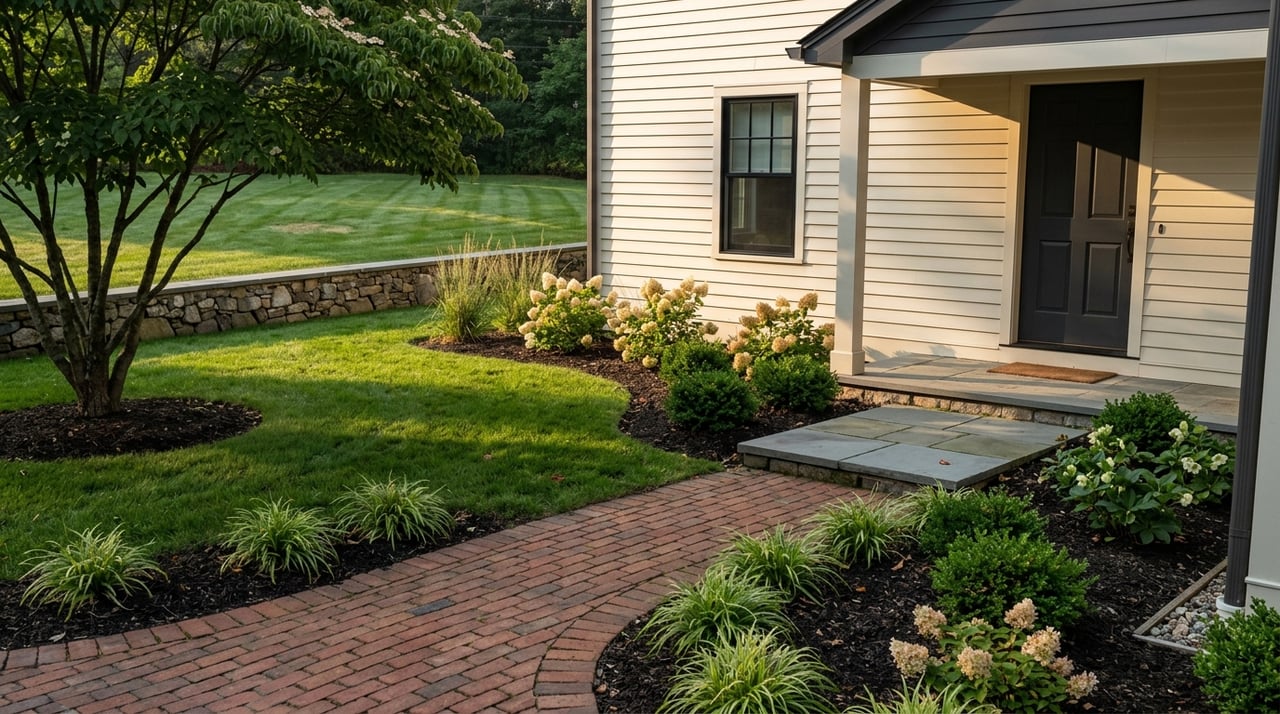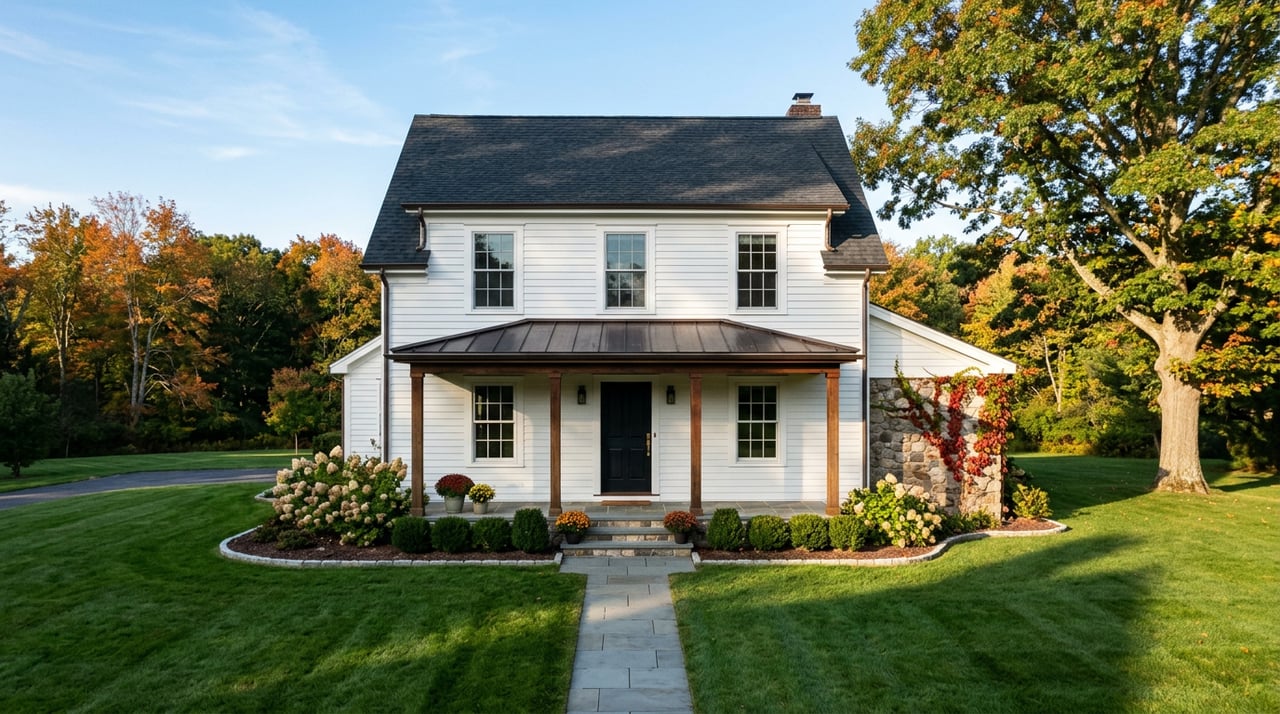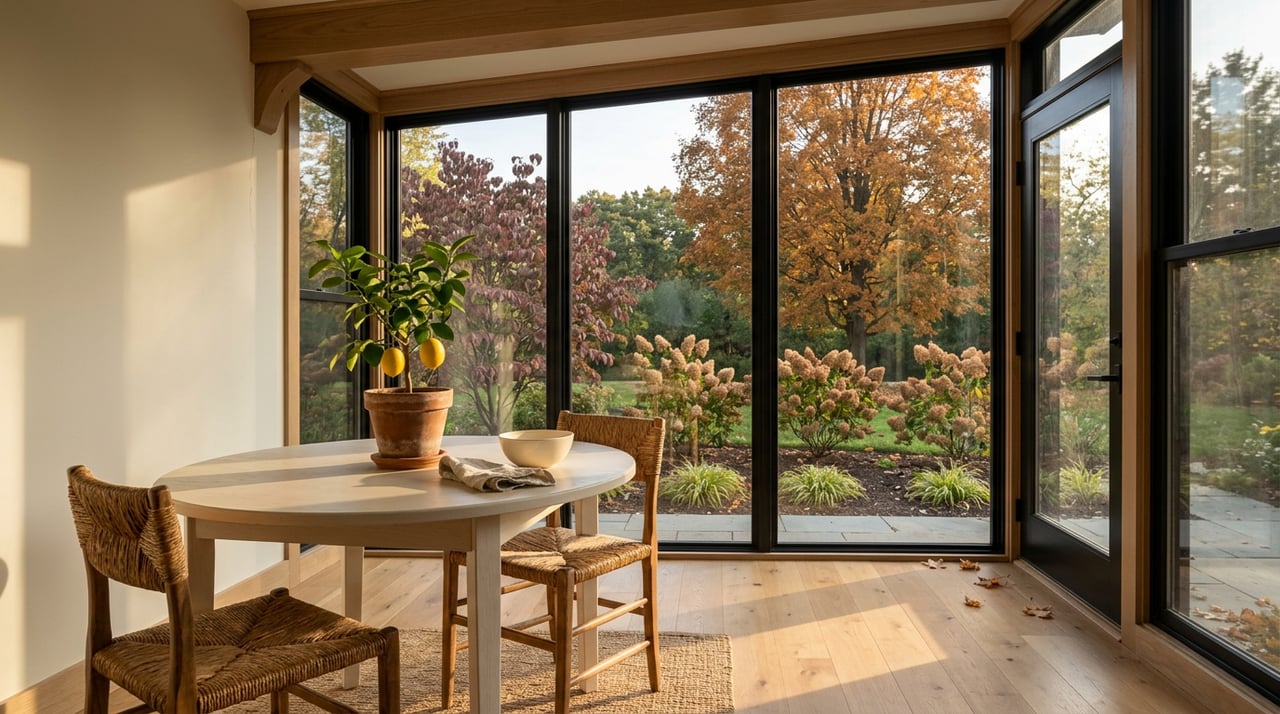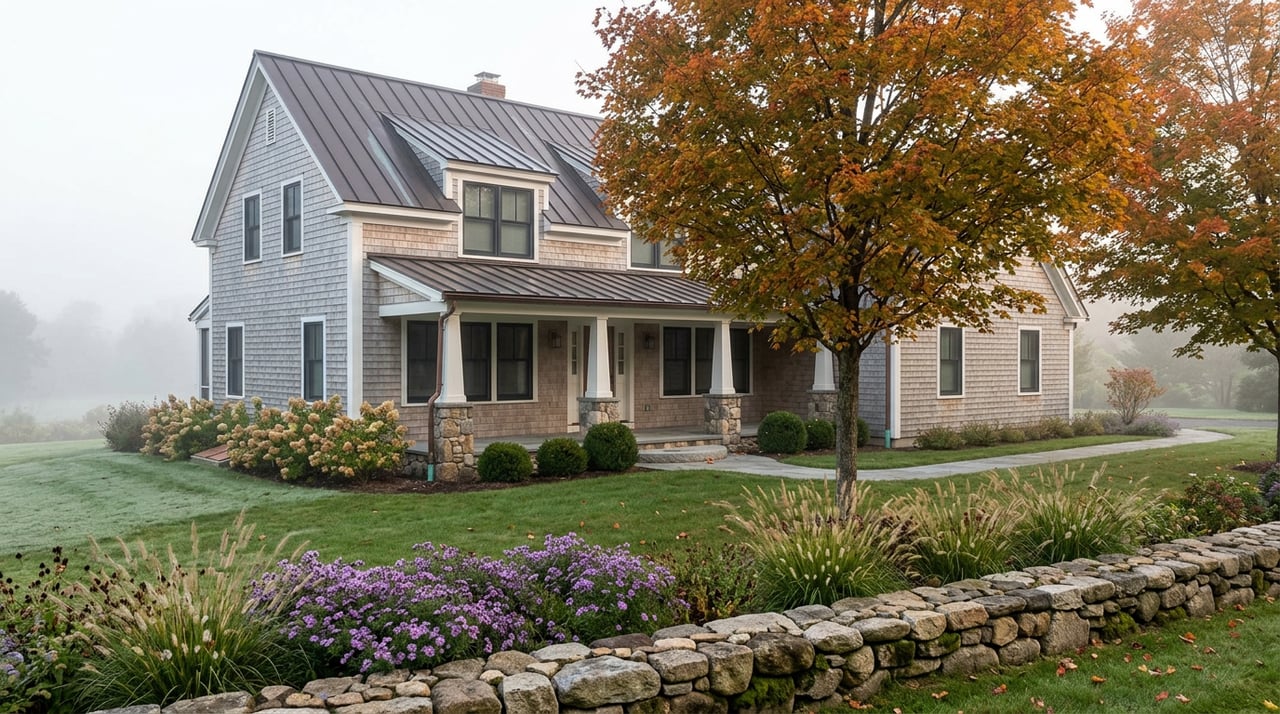
Trying to choose between Dutchess and Westchester? You are not alone. Many Hudson Valley buyers find themselves weighing commute, budget, home style, and day-to-day lifestyle all at once. The good news is that both counties offer real opportunities, but they serve different needs. If you are deciding where you will feel most at home, this guide will help you compare the tradeoffs with more confidence. Let’s dive in.
The Big Difference at a Glance
At the highest level, Westchester and Dutchess offer two distinct Hudson Valley experiences. Westchester is generally denser, closer in, and more transit-oriented. Dutchess is generally more spread out, more detached-home focused, and more tied to open space and outdoor living.
That contrast shows up clearly in the numbers. Census QuickFacts reports Westchester at 2,332.0 people per square mile across 430.72 land square miles, compared with Dutchess at 371.9 people per square mile across 795.65 land square miles. In practical terms, that often means Westchester feels busier and more connected, while Dutchess feels roomier and more relaxed.
Home Prices: How Far Your Budget Goes
For many buyers, price is the first major separator. Current pricing benchmarks show Westchester as the more expensive market across several measures, while Dutchess often offers a lower entry point.
Zillow places the typical home value at $865,117 in Westchester and $494,592 in Dutchess. It also reports median sale prices of $688,333 in Westchester and $461,667 in Dutchess, with median list prices of $724,772 and $555,667. Realtor.com shows a similar pattern, with median listing prices of $750,000 in Westchester and $550,000 in Dutchess.
Census data points in the same direction. The median value of owner-occupied homes is listed at $663,200 in Westchester and $400,600 in Dutchess. If your goal is to stretch your budget further, Dutchess may give you more options to do that.
Why Medians Only Tell Part of the Story
Countywide medians are useful, but they do not tell the whole story. Both counties include a wide range of towns, housing styles, and price points. You can find meaningful variation depending on location, condition, lot size, and proximity to rail or town centers.
In Dutchess, current listing examples range from the low $300,000s through the $800,000s and higher in places such as Poughkeepsie, Wappingers Falls, Hopewell Junction, Rhinebeck, Beacon, and Pawling. In Westchester, available inventory includes homes in the mid-$600,000s as well as multimillion-dollar properties. That means your best fit may come down to a much narrower town-by-town search than county averages suggest.
Housing Types: Detached Homes vs More Attached Options
The two counties also differ in the kinds of homes you are more likely to see. Westchester tends to offer more attached and multi-unit housing, especially in areas with stronger transit access. Dutchess leans more heavily toward detached homes and larger-lot living.
Westchester’s housing profile shows 44% of housing units as 1-unit detached. Dutchess comes in at 64% 1-unit detached, with only 5% of homes in buildings with 20 or more units. Dutchess also has a higher owner-occupied rate at 69.2%, compared with 61.8% in Westchester.
If you want a detached home with more outdoor space, Dutchess may line up better with your wish list. If you want easier access to town centers, rail stations, or attached-home options, Westchester may offer more variety.
Commute: Which County Works Better?
If your routine includes frequent travel toward New York City, transportation may be the deciding factor. Westchester has the broader countywide transit network and more extensive Metro-North coverage for many commuters.
The Bee-Line bus system in Westchester includes more than 3,300 bus stops and about 60 routes. County transit materials note service into the Bronx, Manhattan, and Putnam County, along with express service to Midtown Manhattan and connections to Metro-North stations, New York City buses, and subways. That creates a much denser network for getting around without relying only on a car.
Dutchess County Public Transit is structured differently. The county emphasizes fixed-route buses along with demand-response service, Dial-A-Ride, and ADA paratransit. That can work well depending on where you live, but it is not the same kind of large countywide bus grid found in Westchester.
Metro-North Coverage Matters
Rail access also tends to favor Westchester for buyers who expect a regular Manhattan commute. In Westchester, the New Haven Line serves stations including Pelham, New Rochelle, Rye, Harrison, Larchmont, Mamaroneck, and Port Chester. The Harlem Line serves Bronxville, White Plains, Scarsdale, Hartsdale, and Tuckahoe, while the Hudson Line serves Yonkers, Dobbs Ferry, Irvington, Ossining, and Croton-Harmon.
In Dutchess, Metro-North service is more limited to specific station communities. The Hudson Line reaches Beacon, New Hamburg, and Poughkeepsie. The Harlem Line reaches Pawling, Wingdale, and Wassaic, with MTA frequency information showing the Southeast-Wassaic segment at 45-minute peak, 60-minute off-peak, and 120-minute weekend headways.
For many buyers, that means Westchester is often the easier fit for a daily rail commute. Dutchess can still work very well for hybrid schedules, occasional city trips, or buyers who plan carefully around a station location.
Lifestyle and Feel: What Daily Life May Look Like
Beyond numbers, these counties simply feel different. Westchester’s official community descriptions emphasize waterfront towns, parks, shopping, dining, arts, and a mix of urban and suburban environments. Areas along the Hudson River such as Tarrytown, Sleepy Hollow, Dobbs Ferry, and Irvington are described as historic, riverfront, and Metro-North-friendly.
Dutchess tourism materials describe a county shaped by open space, smaller towns, and outdoor recreation. Places such as Beacon, Wappingers Falls, Poughkeepsie, Rhinebeck, Red Hook, Pawling, Amenia, Dover, and Millerton are often framed around hiking, biking, horseback riding, kayaking, and river access. If your ideal weekend includes trails, farms, and a quieter pace, Dutchess may feel like a more natural match.
Which County Fits Your Priorities?
A simple way to decide is to rank what matters most to you right now. Most buyers are balancing budget, commute, space, and lifestyle, but one or two factors usually rise to the top.
If your top priority is the shortest commute and the broadest access to transit, Westchester often makes more sense. If your top priority is more house and land for the money, Dutchess often becomes more appealing. If you want a middle ground, you may want to focus on Dutchess towns near the Hudson or Harlem Line, or the less dense northern areas of Westchester.
Westchester May Be a Better Fit If You Want:
- A shorter and more flexible commute into New York City
- More transit connections and station choices
- More attached-home or multi-unit housing options
- Denser town centers with shopping and dining nearby
- A closer-in suburban setting
Dutchess May Be a Better Fit If You Want:
- More space for your budget
- A higher chance of finding a detached home
- A quieter setting with more open land
- Easier access to trails, river recreation, and rural scenery
- A lifestyle that works well for hybrid or occasional commuting
A Smart Way to Narrow the Search
If you are still torn, try comparing your search by lifestyle first and town second. Start with your non-negotiables, such as commute days, budget ceiling, preferred home type, and how much land or walkability matters to you. Then compare a few towns on each side of the county line that match those goals.
This approach can save you time and reduce overwhelm. Instead of asking which county is better overall, you can ask which areas support the way you actually live. That shift usually leads to a clearer and more confident decision.
Why Local Guidance Helps
A county-to-county comparison is a useful starting point, but your move will happen at the town, neighborhood, and property level. Two homes with similar prices can offer very different tradeoffs depending on location, lot size, transit access, and the pace of daily life around them.
That is why it helps to work with someone who understands the broader Hudson Valley and can translate these differences into a practical home search. Whether you are relocating, buying your first home, moving up, or downsizing, the right guidance can help you focus on the places that truly fit your needs.
If you are comparing Dutchess and Westchester and want a calm, informed strategy for your move, Isabel R. Alves can help you explore your options with clarity and confidence.
FAQs
Is Westchester or Dutchess more expensive for homebuyers?
- Westchester is generally more expensive based on current benchmarks, including higher typical home values, median sale prices, median list prices, and owner-occupied home values.
Is Westchester or Dutchess better for commuting to Manhattan?
- Westchester usually offers a stronger setup for daily Manhattan commuting because it has broader Metro-North coverage and a larger countywide bus network.
Does Dutchess County offer more detached homes?
- Yes. County housing data shows Dutchess has a larger share of 1-unit detached homes than Westchester.
Is Dutchess County a good option for hybrid workers?
- It can be, especially if you want more space and only need to commute occasionally or can live near a Metro-North station such as Beacon, New Hamburg, Poughkeepsie, Pawling, Wingdale, or Wassaic.
What lifestyle difference should buyers expect between Westchester and Dutchess?
- Westchester generally feels denser and more transit-oriented, while Dutchess generally feels more open, detached-home focused, and connected to outdoor recreation.
How should Hudson Valley buyers choose between Dutchess and Westchester?
- Start by ranking your priorities for budget, commute, home type, and daily lifestyle, then compare specific towns that match those needs rather than relying only on countywide averages.