Selling a home in Westchester County can feel exciting and a little overwhelming at the same time. You want to make a strong first impression, price your home wisely, and launch at the right moment without taking on projects that do not truly pay off. The good news is that confident preparation does not have to mean a full renovation. With the right plan, you can focus on the updates that help your home show well, photograph well, and compete effectively. Let’s dive in.
Why preparation matters in Westchester
Westchester remains a strong seller market, but it is not one single market. OneKey MLS reported in May 2026 that single-family homes had a median sales price of $1.2 million, 39 days on market, and sellers received 106.8% of original list price on average. That same report showed condos and co-ops moving on different timelines and at very different price points.
That matters because buyers compare your home to similar homes, not to broad county averages. A well-prepared property can stand out, but strong results still depend on property type, location, condition, and pricing. In a market like this, preparation helps you compete with confidence instead of guessing.
Focus on high-impact basics first
If you are wondering how much prep is enough, start with the simple work buyers notice right away. The strongest evidence points to practical, visible improvements rather than expensive upgrades. Sellers’ agents most often recommend decluttering, deep cleaning, improving curb appeal, and correcting obvious faults before listing.
That approach makes sense in Westchester’s competitive market. When buyers see a home that feels cared for and move-in ready, they can focus on the space itself instead of the work ahead. Small issues can distract from your home’s strengths, especially in photos and during showings.
Declutter with a buyer’s eye
Decluttering is one of the most important steps you can take. It helps rooms feel larger, brighter, and easier to understand. It also makes it easier for buyers to imagine how they would use the space.
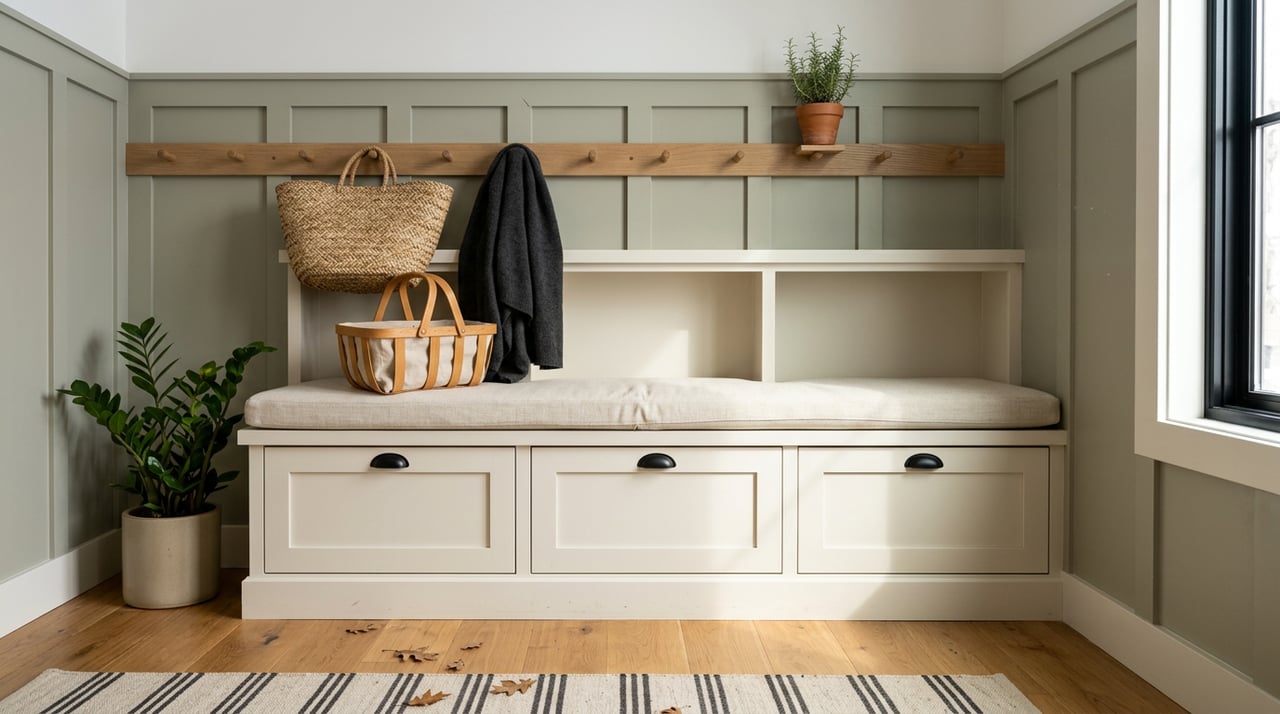
As you prepare, remove extra furniture, clear countertops, tidy open shelving, and pack away personal items you do not need day to day. Closets, mudrooms, laundry areas, and entry spaces matter too. Buyers often open doors and look closely at storage.
Clean beyond the usual routine
A regular tidy-up is not the same as listing-level clean. Before photos or showings, your home should feel fresh, polished, and well maintained. That includes floors, windows, baseboards, light fixtures, kitchens, and bathrooms.
Clean homes signal care. Even when a buyer plans to make changes later, a spotless presentation can make the property feel more valuable and easier to trust.
Improve curb appeal
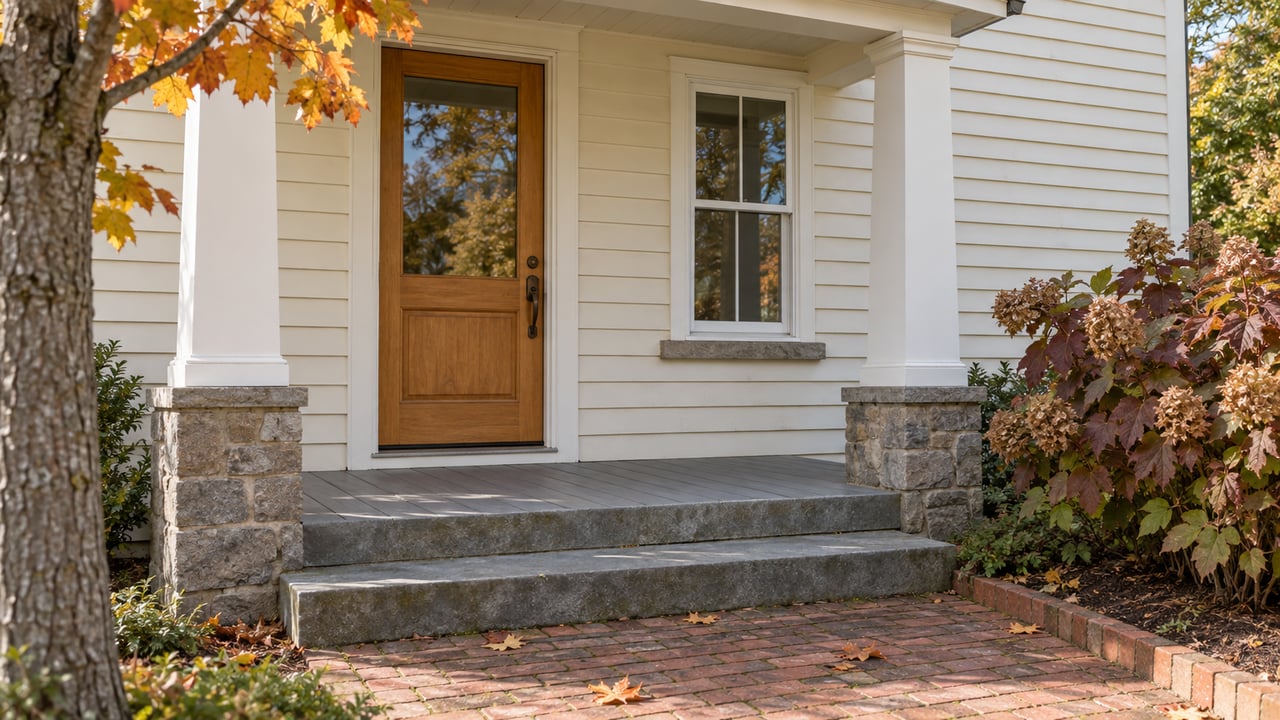
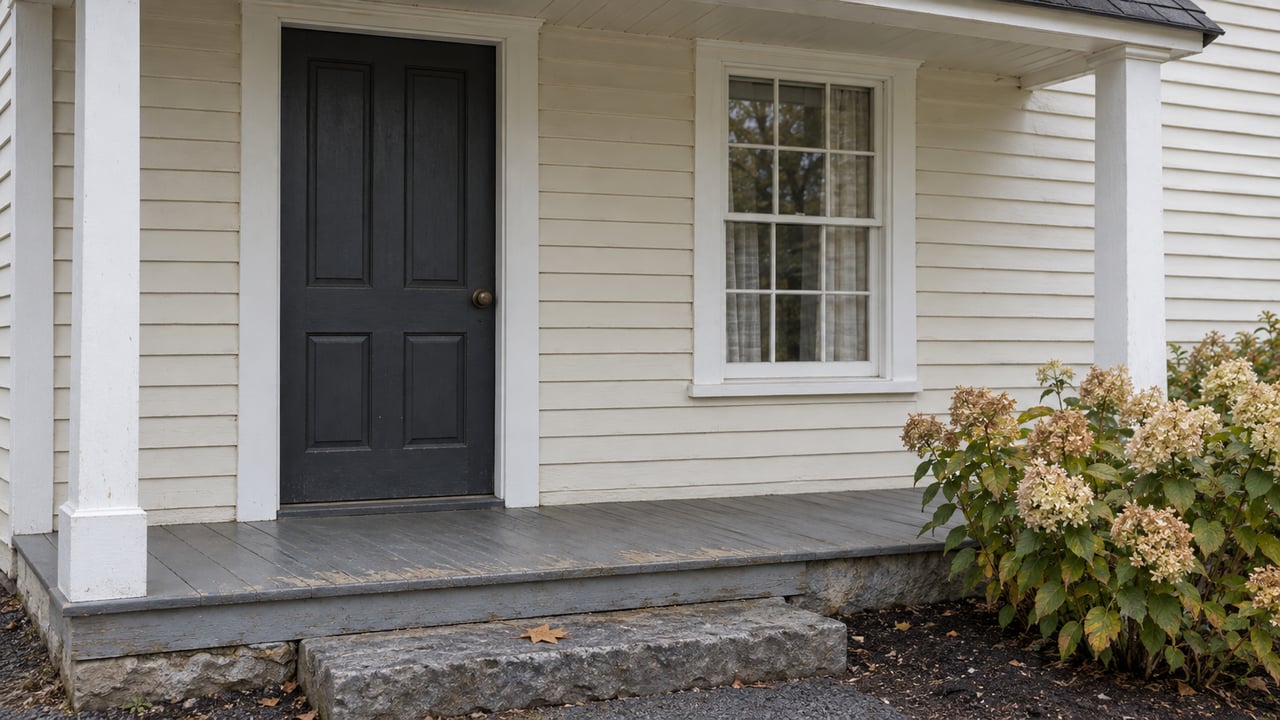
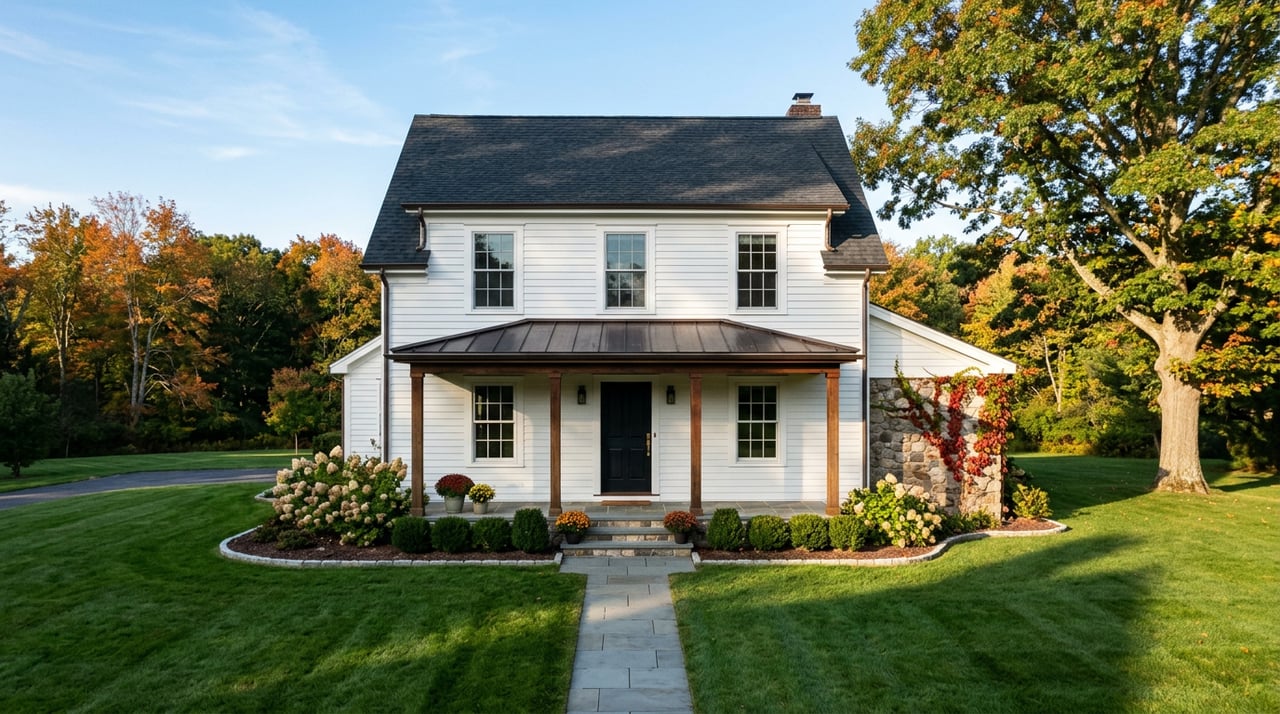
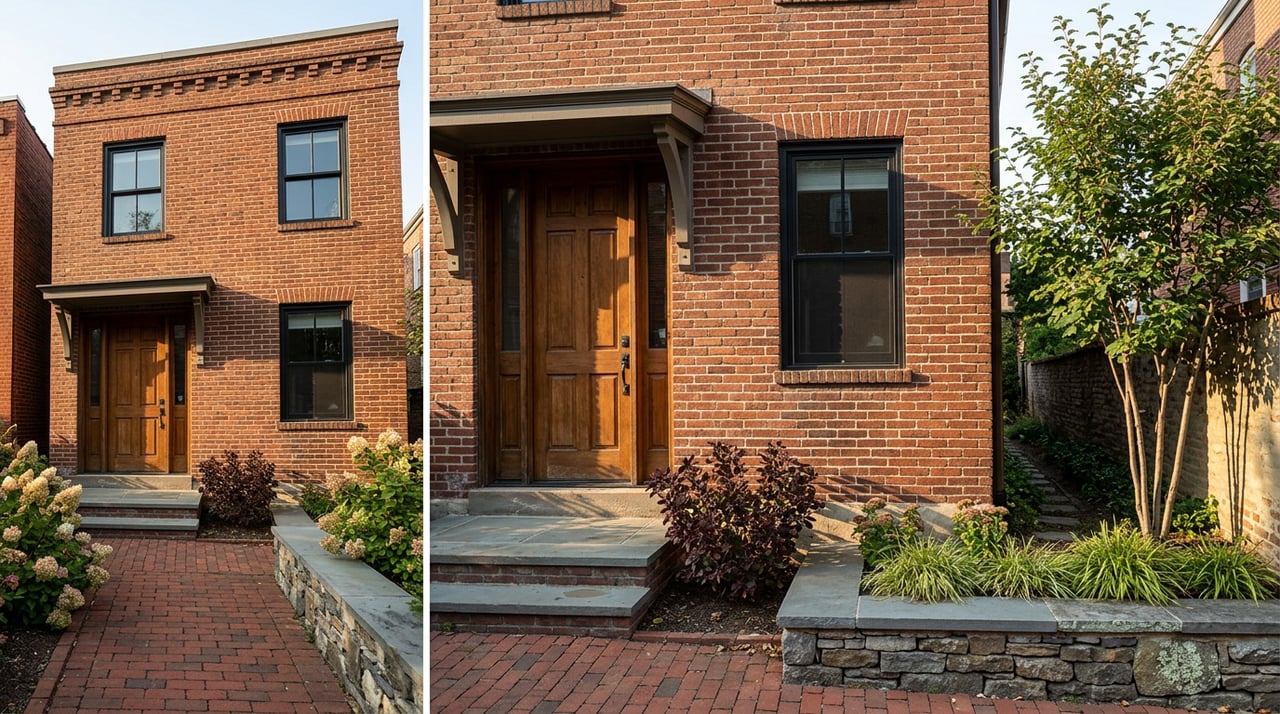
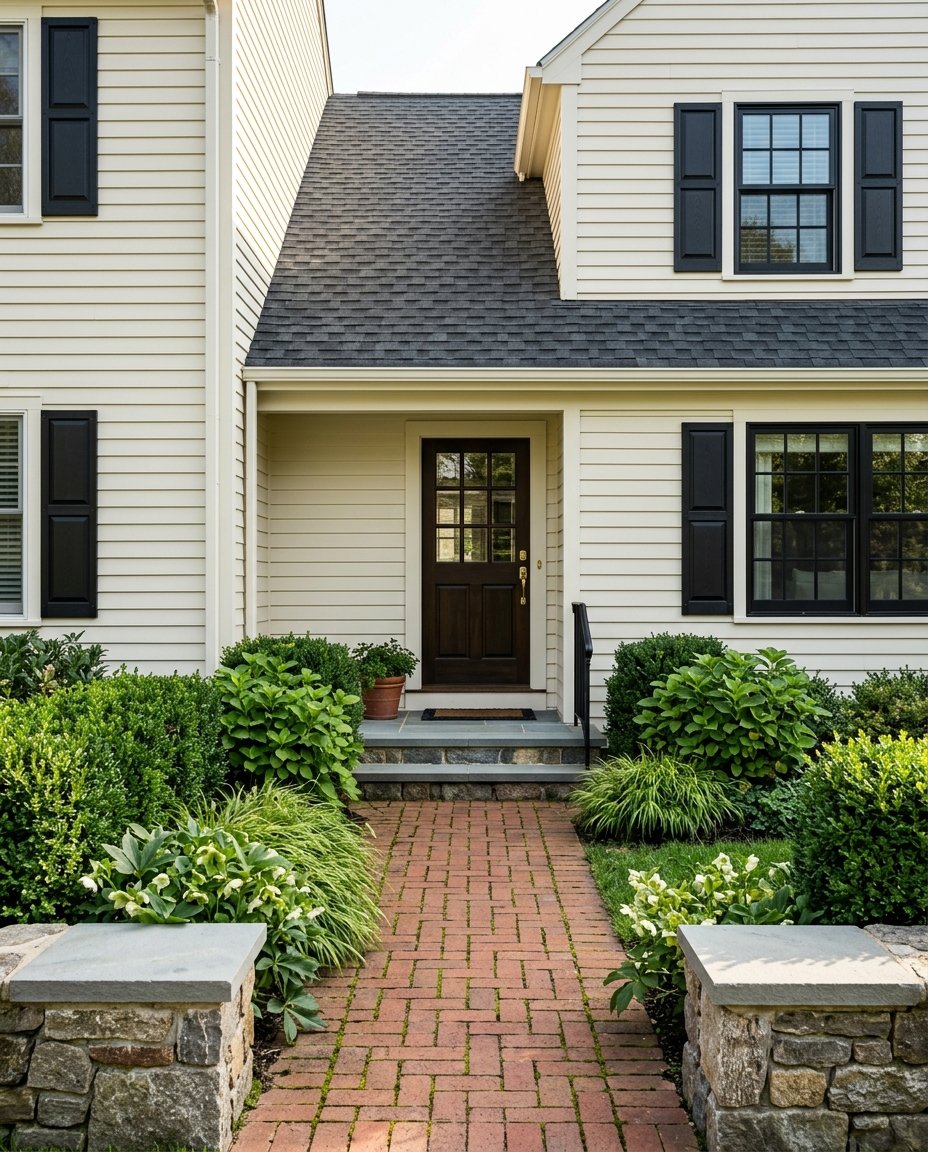
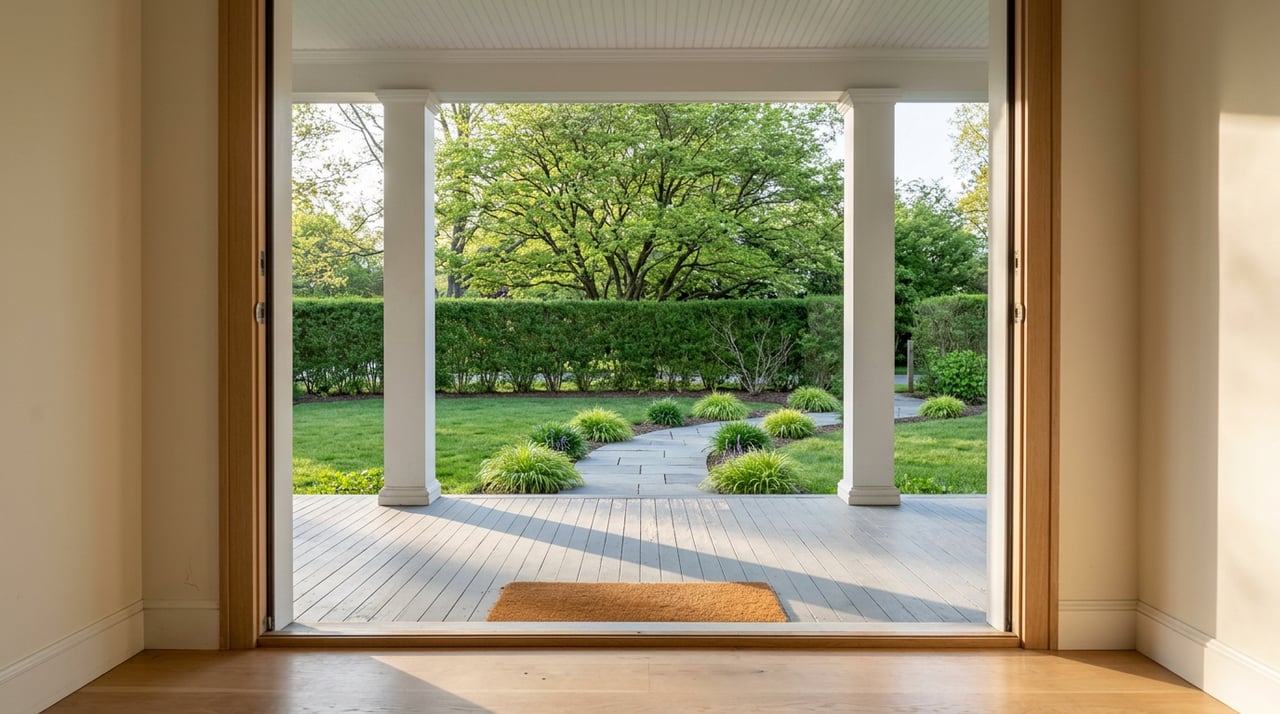
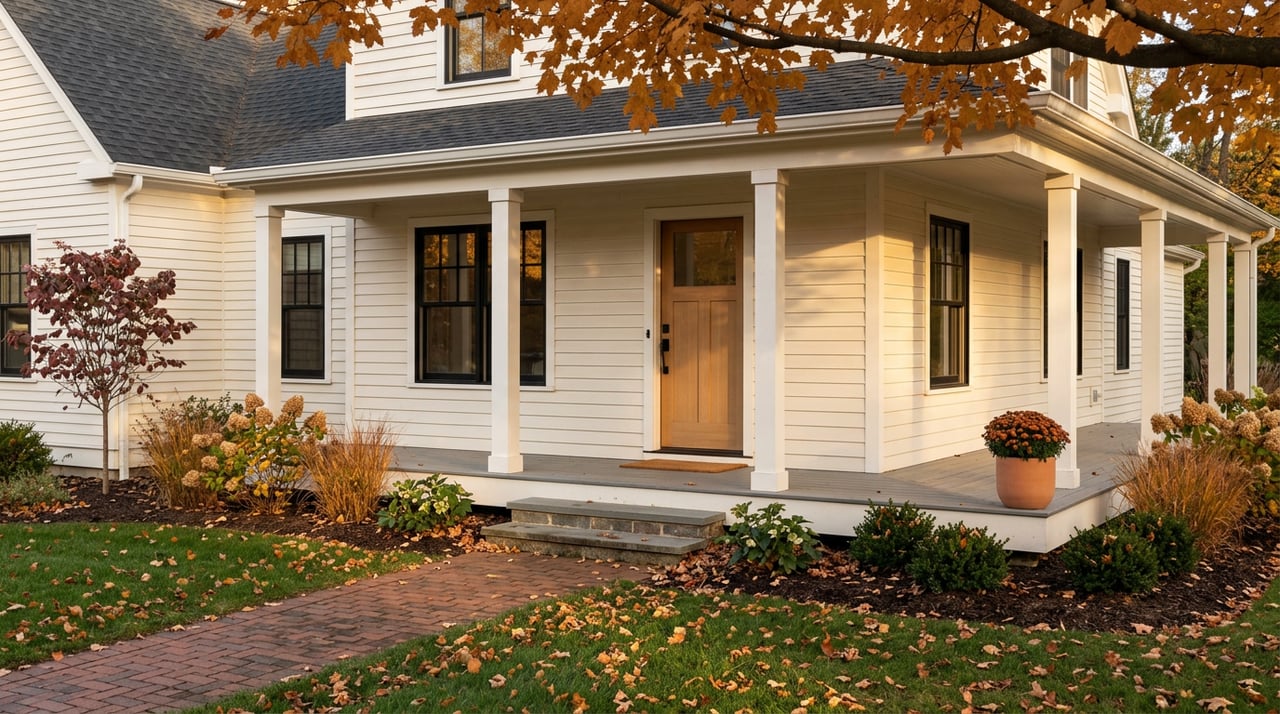
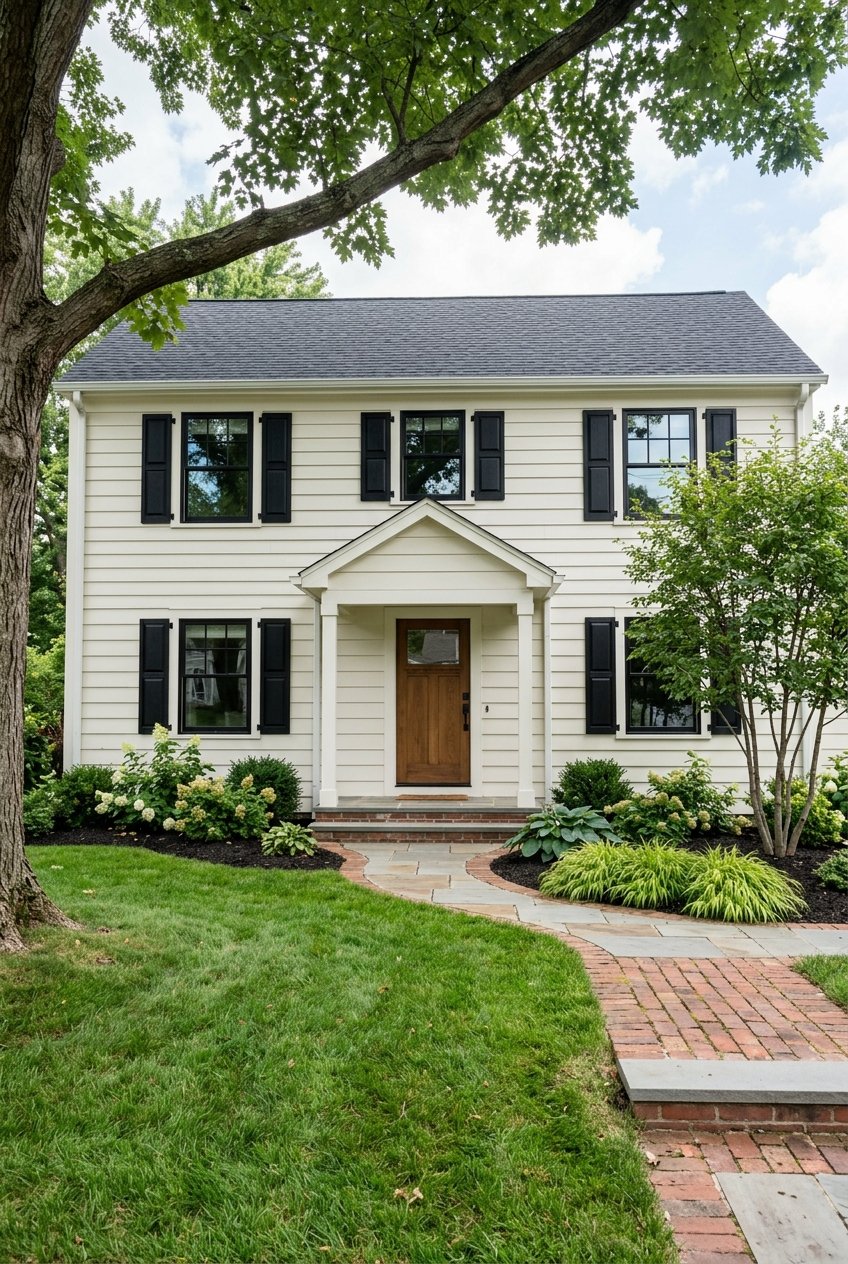
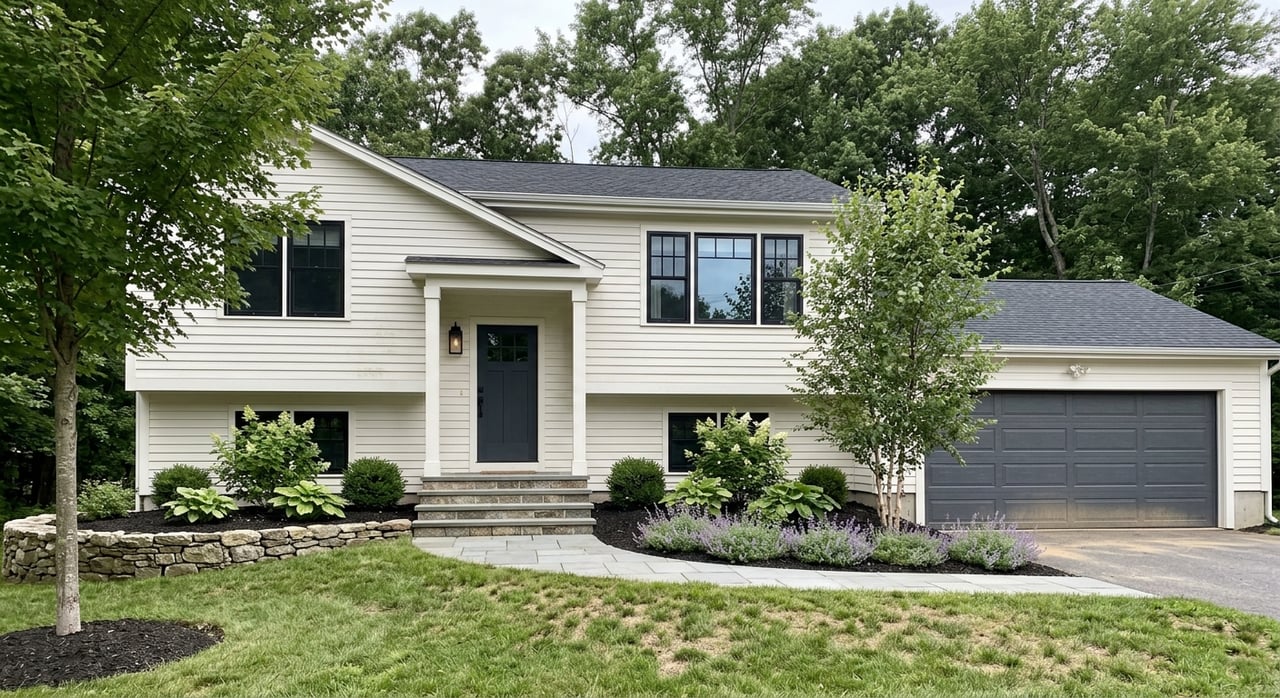
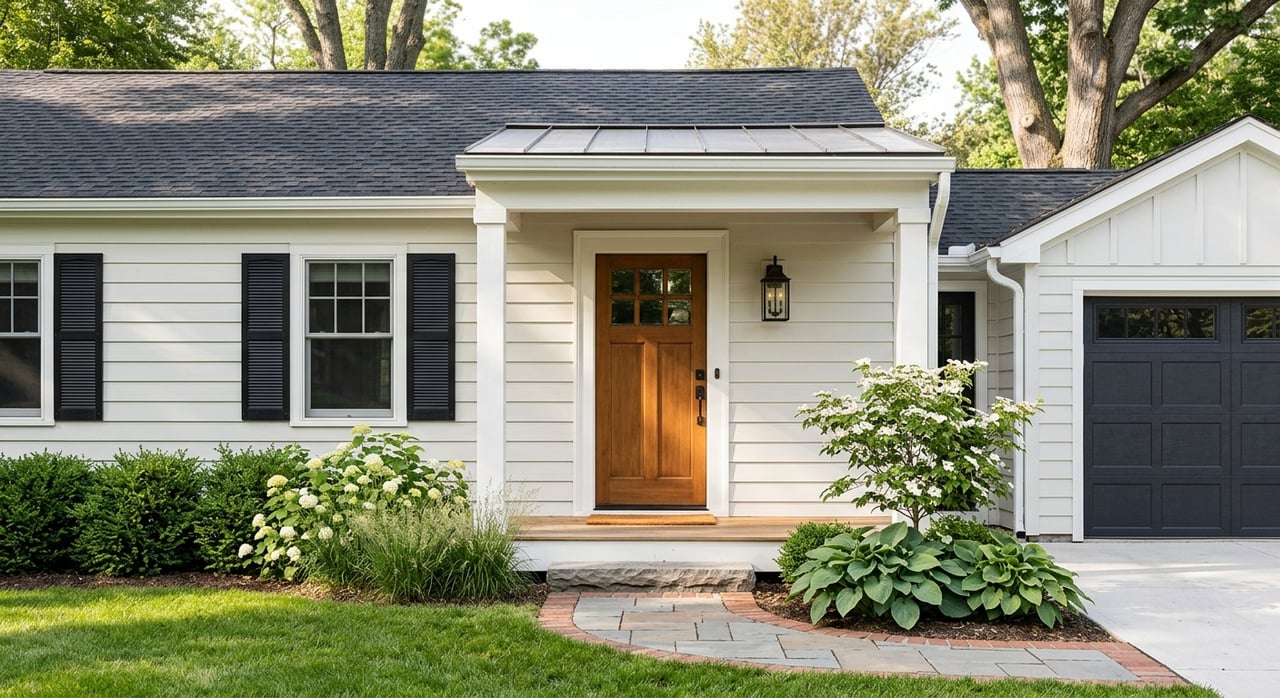
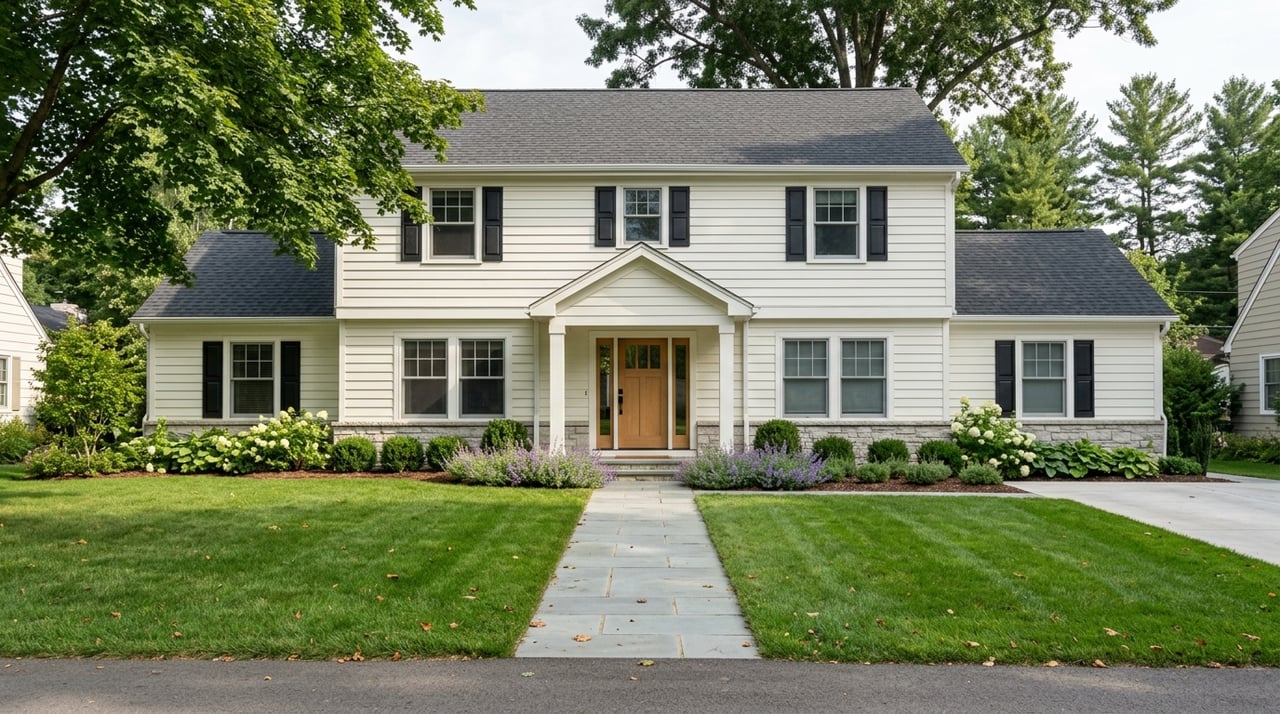
Your exterior sets the tone before a buyer walks inside. Trim landscaping, edge the lawn, sweep walkways, tidy the porch, and make sure the front door area feels welcoming. If needed, refresh mulch, add a few simple plantings, or touch up peeling paint.
Curb appeal does not need to be elaborate. It just needs to look intentional and well kept. That first impression can shape how buyers experience the rest of the home.
Fix obvious faults
Correcting visible problems before listing can help reduce buyer hesitation. Think loose handles, burned-out light bulbs, scuffed walls, dripping faucets, or doors that stick. These may seem minor, but together they can create the feeling that the home has been deferred in other ways too.
A confident sale often starts with removing easy objections. When buyers see fewer distractions, they are more likely to focus on the home’s best features.
Prioritize the rooms buyers notice most
If you do not want to stage every room, focus on the spaces that tend to matter most. According to the 2025 staging data, the most commonly staged rooms were the living room, primary bedroom, dining room, and kitchen. These are the areas where clean lines and thoughtful presentation can make the biggest difference.
You do not have to make these spaces look perfect or impersonal. Instead, aim for calm, open, and functional. Buyers should be able to understand the purpose of each room quickly and picture daily life there.
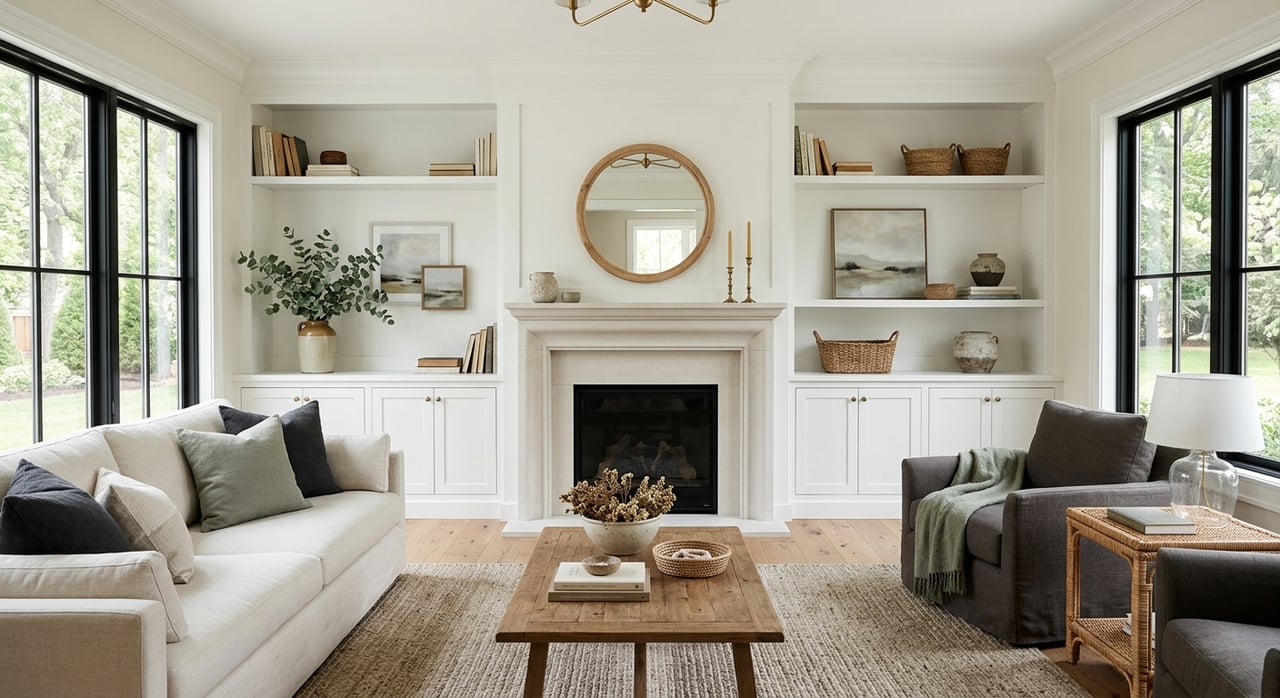
Living room
Keep seating simple and balanced. Remove extra accent pieces, organize cords, and let natural light come through. If the room feels crowded, fewer items usually work better than more.
Primary bedroom
Create a restful, uncluttered look. Clear off dressers and nightstands, use simple bedding, and remove bulky or overly personal decor. The goal is to make the room feel spacious and calm.
Kitchen
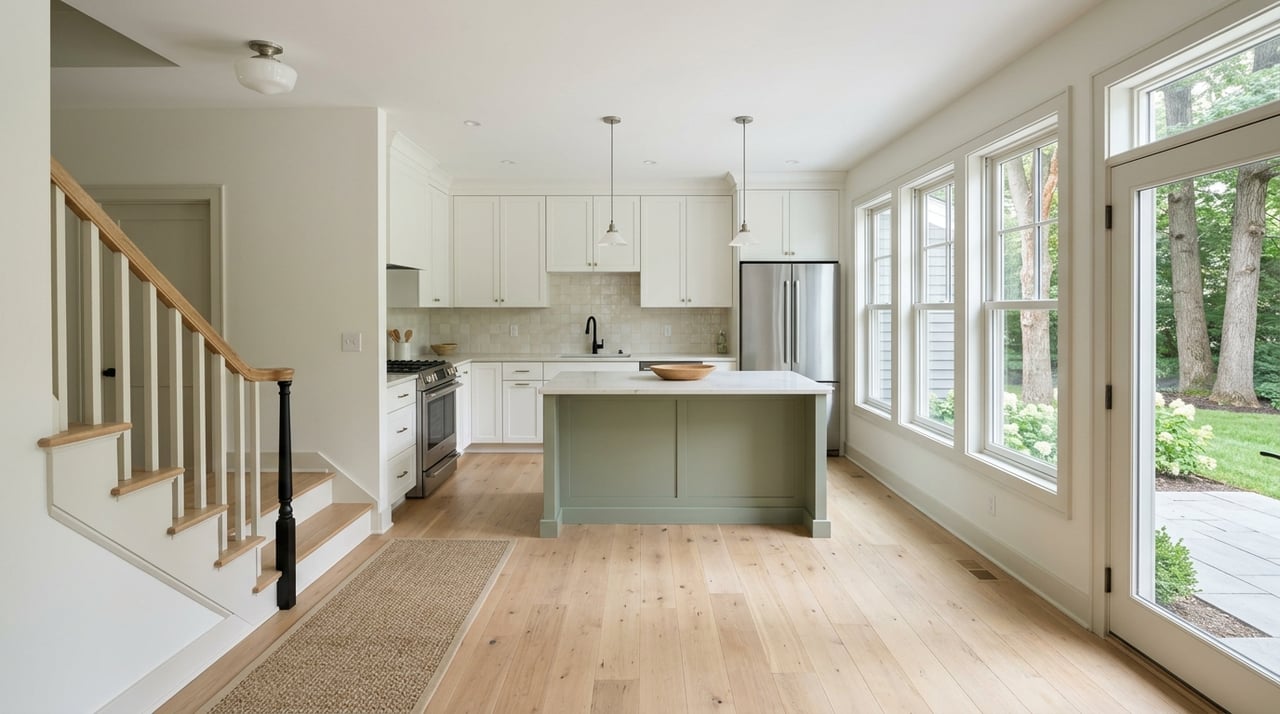
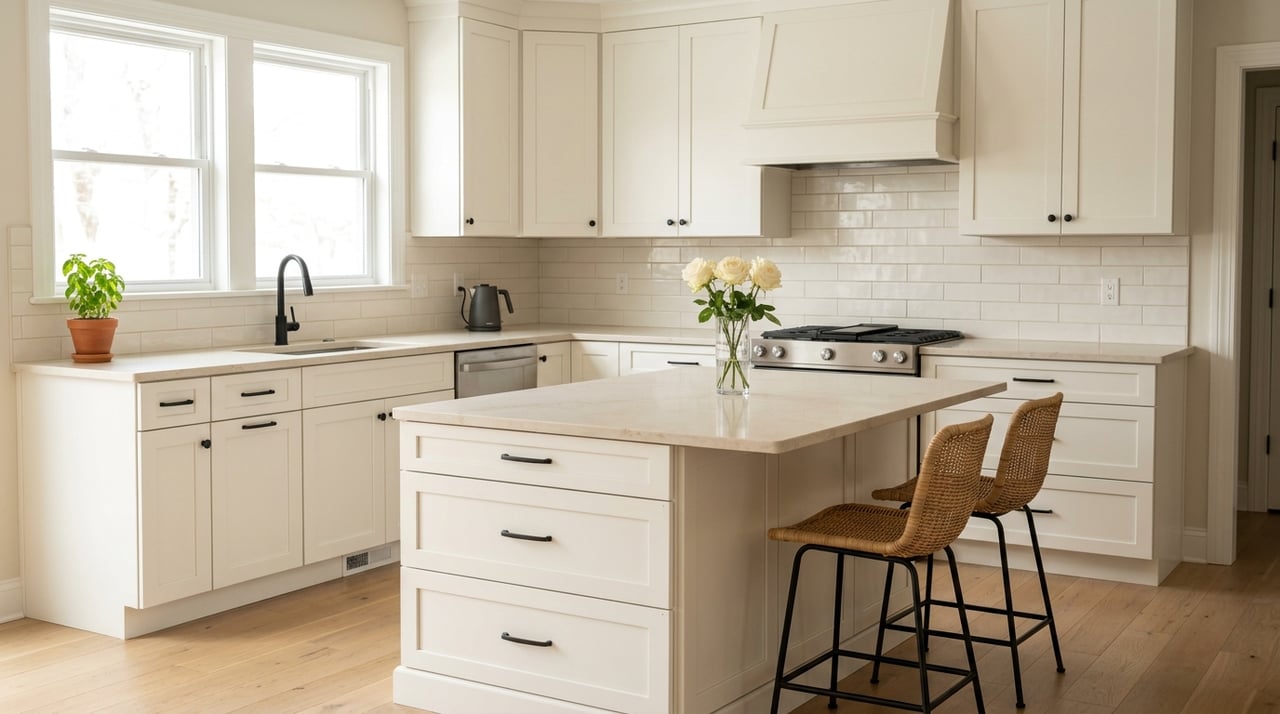
Clear counters as much as possible. Store away small appliances, straighten stools, and make sure the sink and surfaces are spotless. A clean, bright kitchen often carries real weight with buyers.
Dining room
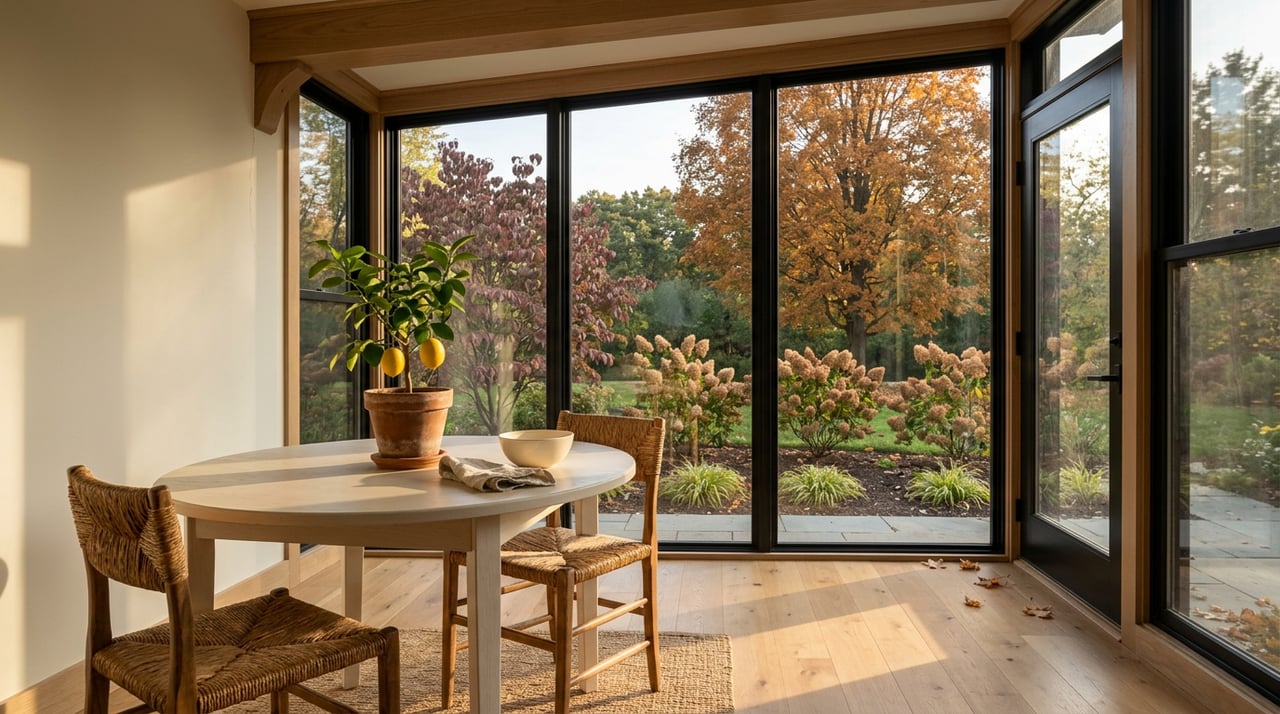
If you have a dining room, define it clearly. A simple table setting or clean centerpiece can help the room feel purposeful without looking busy. Buyers respond well to spaces that feel ready to use.
Is staging worth it?
For many sellers, yes. In the 2025 staging report, 83% of buyers’ agents said staging made it easier for buyers to visualize a property as a future home. The same report found that 29% of buyers’ agents saw a 1% to 10% increase in the dollar value offered, and 49% observed faster sales.
That does not mean every home needs full-service staging. Sometimes light staging with your existing furniture is enough. The point is to present your home in a way that feels clear, appealing, and easy to connect with.
If you are weighing cost, the report noted a median staging-service cost of $1,500 for professional staging and $500 when the seller’s agent handled staging themselves. That can help frame staging as a targeted strategy, not an all-or-nothing expense.
Make your home photo-ready before launch
In today’s market, your first showing often happens online. The 2025 staging report found that 73% of buyers’ agents said photos were highly important, while 48% said videos were highly important and 43% said virtual tours were highly important. It also found that 31% said buyers were more willing to walk through a home they saw online.
This is why preparation should happen before the first image is taken. A clean, decluttered, lightly staged home will usually photograph better and make a stronger first impression. If your online presentation falls flat, some buyers may never schedule a showing at all.
Before photography day, do a full walkthrough as if you were seeing the home for the first time. Open blinds, turn on lights, hide trash bins, straighten rugs, and remove anything that pulls attention away from the room. Strong visuals can help your home get noticed for the right reasons.
Price with local context, not guesswork
One of the biggest mistakes sellers make is relying too heavily on broad online estimates. In Westchester, countywide figures vary depending on the source and the property mix being measured. For example, OneKey MLS, Redfin, and Zillow all reported different countywide pricing figures for 2026, which shows why those numbers should be treated as directional rather than precise.
A more confident pricing strategy starts with recent comparable sales, current market conditions, and your home’s specific features. In a market where sale-to-list ratios are still at or above 100% in several sources, strong outcomes are possible, but they tend to favor homes that are positioned well from the start. Pricing is not just about aiming high. It is about matching the market closely enough to attract serious interest.
Time your launch strategically
Timing can shape both buyer activity and your overall experience on market. Westchester’s month-by-month days-on-market pattern in 2026 points to a clear spring advantage. Median days on market were 71 in January, 47 in February, 36 in March, 31 in April, 30 in May, and 35 in June.
Looking at March through May across 2024 to 2026, the average was about 33 days on market, compared with about 73 days in December through February. That does not mean you cannot sell well outside spring. It does mean early preparation can put you in a stronger position if you want to catch the busier seasonal window.
Realtor.com also identified mid-April 2026 as the strongest national listing week, with more views than average and faster sales. For Westchester sellers, the practical takeaway is simple: if you hope to list in spring, start preparing earlier than you think. That gives you time to declutter, clean, complete small repairs, and be fully ready when buyer activity picks up.
A simple prep checklist
If you want a focused plan, start here:
- Declutter every main living space
- Deep clean the entire home
- Improve front entry and curb appeal
- Fix visible minor issues
- Prioritize the living room, primary bedroom, kitchen, and dining room
- Make the home photo-ready before marketing begins
- Use recent comparable sales to guide pricing
- Prepare early if you want a spring launch
Confidence comes from a clear plan
Preparing your Westchester County home for sale is not about doing everything. It is about doing the right things in the right order. When your home is clean, simplified, well presented, and launched with local pricing and timing in mind, you give yourself a stronger chance at a smooth and confident sale.
If you are planning a move and want calm, strategic guidance from the start, Isabel R. Alves is here to help you prepare thoughtfully and move forward with confidence.
FAQs
How much preparation does a Westchester County home usually need before listing?
- Most sellers should start with decluttering, deep cleaning, curb appeal, and correcting obvious faults before taking on larger projects.
Which rooms matter most when preparing a Westchester County home for sale?
- The living room, primary bedroom, kitchen, and dining room are the top spaces to prioritize for presentation and light staging.
Is staging worth it for a Westchester County home sale?
- Staging can help buyers visualize the home more easily, and many agents report that it can support faster sales and sometimes stronger offers.
Can I rely on an online estimate to price my Westchester County home?
- Online estimates can be a rough starting point, but recent comparable sales, market conditions, and your home’s features are more useful for pricing accurately.
When is the best time to list a home in Westchester County?
- Spring is typically the strongest local window, with March through May showing much faster average market times than the winter months.